Focus on care - Let Kite streamline the rest
Kite simplifies testing, interpretation, and family education—so you can focus your time on clinical decisions and patient care.

Metabolic insights for complex pediatric neurodevelopment
Kite Health simplifies this complexity by organizing metabolic data into clinically meaningful insights:

Approach
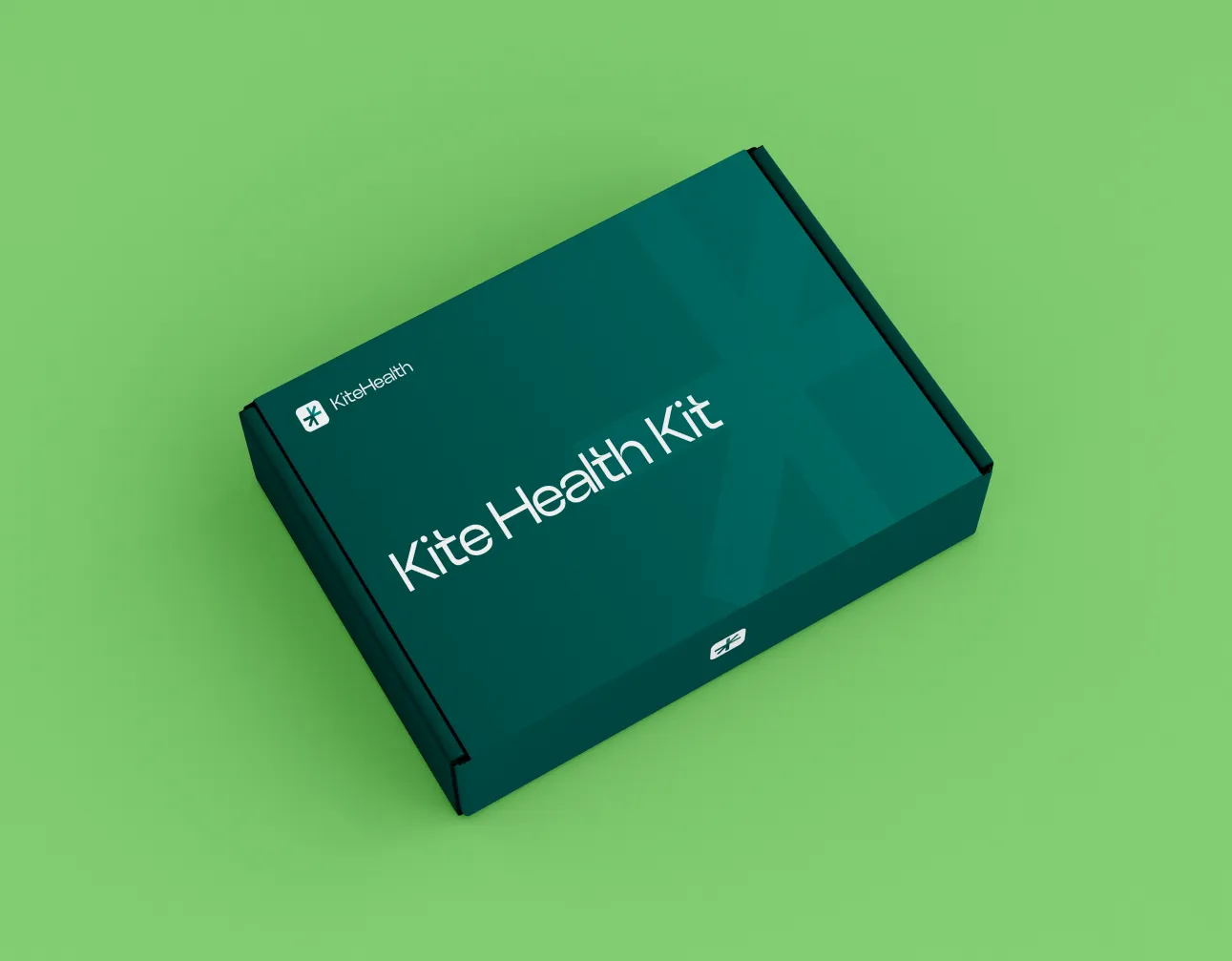
Kite uses a validated metabolic test (CLIA-certified) to uncover patterns in children with developmental delays, autism, ADHD, GI issues, sleep, and behavioral challenges.

Challenge
Limited time to interpret complex reports and turn them into clear next steps for families.

Outcome
Simple explanations families can understand, enabling clearer decisions, less guesswork—and practical steps families can follow with confidence.
Functional domains covered to help practitioners
Systems-level pattern recognition across key functional domains:

What makes Kite different for practitioners?

Kite integrates best clinical practice and latest functional science
Kite is designed for clinical reality—limited time, complex cases, and the need for consistent follow-through at home.
Structured intake
capturing symptoms, diet patterns, meds, supplements, sleep, and sensory constraints
Functional framework for reporting
aligned to common functional metabolic interpretation domains
Family-ready explanations
with “what it’s working well,” “what needs support,” and “safe first steps”.
Longitudinal trend views
to support retesting and protocol iteration
Clinical use cases
GI + behavior overlap
When constipation/diarrhea, bloating, or abdominal pain co-occur with irritability, anxiety, or sleep disruption—pathway-level metabolite signals can help practitioners prioritize foundational gut support interventions, and if they correspond with behavior improvements.
Restricted diet + nutrient strain
When selective eating and sensory rigidity limit nutrition, use functional cofactor patterns to guide safer supplementation conversations and avoid shotgun protocols.
Fatigue, brain fog, or cognitive slowdown
Persistent fatigue or reduced mental stamina can occur during illness recovery, growth phases, or academic stress. Markers related to mitochondrial function and nutrient utilization may provide insight into potential energy pathway strain.
Sensory overload and irritability cycles
Children with sensory processing challenges may show cycles of irritability or emotional dysregulation. Metabolic stress affecting energy balance or oxidative pathways may contribute to lower sensory tolerance in some cases.
Antibiotic/illness-triggered regression
When symptoms shift after antibiotics or illness, microbial metabolite patterns plus energy pathway markers can support targeted gut recovery plans and monitoring.
Kite vs common alternatives
Compared to adult lab memberships, Kite is pediatric and neurodevelopment-first. Compared to microbiome-only tests, Kite emphasizes functional metabolite outputs that map more directly to clinical actions. Compared to standard organic acids tests PDFs, Kite improves adoption through parent-ready translation and built-in tracking.
FAQ
Is Kite providing clinical decision support?
No. Kite provides structured interpretation, education, and workflow tools. Clinical decisions remain with the treating practitioner.
Is this an LDT?
Kite’s initial test is outsourced through a CLIA lab partner. Kite’s product layer focuses on reporting, translation, and longitudinal tracking.
Can families share results with multiple providers?
Yes. Kite includes a shareable summary designed to support pediatricians, therapists, and integrative practitioners working together.

Still have questions?
Can’t find the answer you’re looking for?

.png)