
Post COVID effects on PANS/PANDAS
COVID-19 and infections may trigger symptom flares in children with PANS/PANDAS through immune and brain-body pathways.
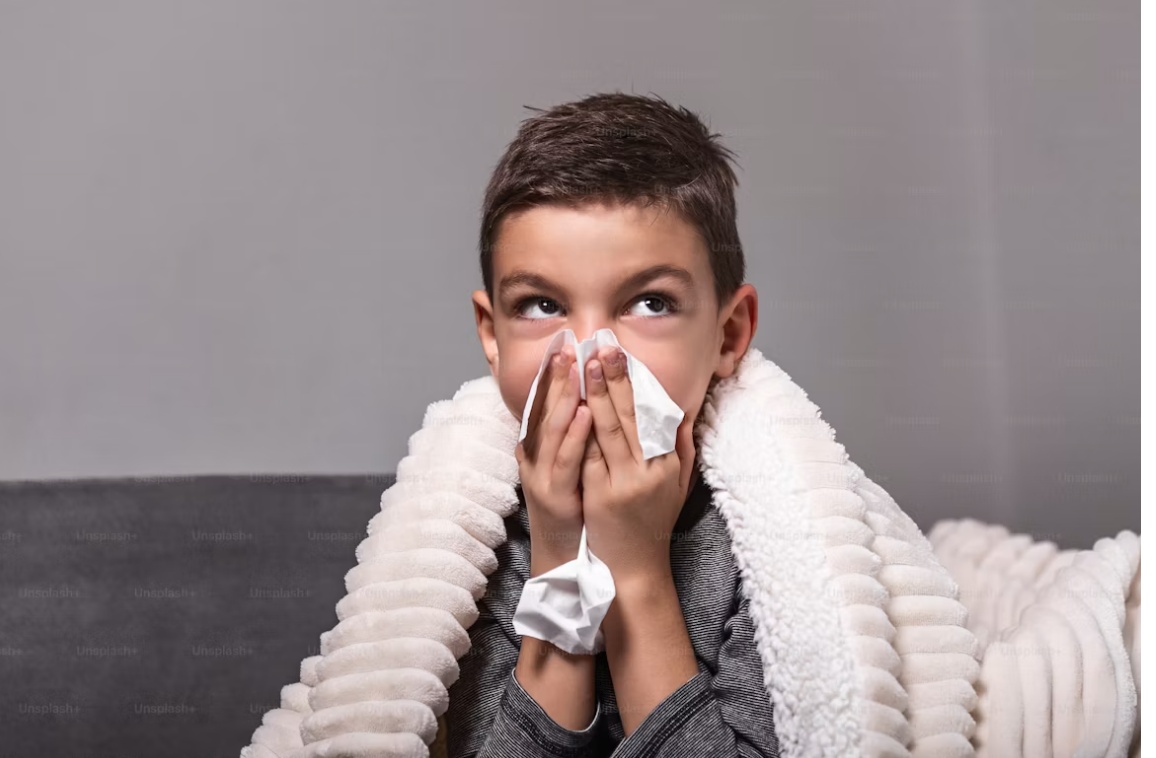
Some Children Changed After COVID — And Parents Noticed It Immediately
For many families, the story sounded similar:
“My child was never quite the same after COVID.”
Parents described:
- sudden anxiety
- intense OCD
- emotional rage
- tics
- shutdowns
- regression
- sensory overwhelm
And often, they were told:
“It’s just behavioral.”
But for some children — especially neurodivergent children or those with PANS/PANDAS — infections can affect much more than the lungs.
Research increasingly suggests that the:
- immune system
- nervous system
- gut microbiome
- inflammation pathways
- and brain signaling systems
are deeply connected.
For some children, what looks behavioral may actually reflect biological stress inside the body.
What Are Post-COVID Effects?
Post-COVID effects (sometimes called Long COVID or post-viral symptoms) refer to symptoms that continue or appear after the initial infection has passed.
In children, these symptoms can involve:
- fatigue
- mood changes
- brain fog
- anxiety
- sleep disruption
- autonomic dysfunction
- neuropsychiatric changes
The major review by Hannah E. Davis and colleagues in Nature Reviews Microbiology explains that Long COVID may involve:
- persistent immune activation
- inflammation
- vascular changes
- microbiome disruption
- nervous system dysregulation
Importantly, these symptoms are real biological phenomena — even when standard medical tests look normal.
For children with PANS/PANDAS, this becomes especially relevant because these conditions already involve:
- immune-brain interactions
- neuroinflammation
- infection-triggered symptom flares
Where Does It Come From?
Researchers believe post-COVID symptoms may emerge from several overlapping biological mechanisms.
Immune activation and cytokines
When the body fights an infection, it releases inflammatory molecules called cytokines.
Normally, this response settles down after recovery.
But in some children, the immune system may remain activated longer than expected.
This can affect:
- brain signaling
- mood regulation
- sleep
- sensory processing
- emotional regulation
Neuroinflammation
Inflammation may affect the brain directly through activation of immune cells called microglia.
Microglia help protect the brain, but prolonged activation can interfere with:
- emotional regulation
- attention
- executive function
- behavior
Blood-brain barrier changes
Some researchers propose that infections and inflammation may temporarily increase permeability of the blood-brain barrier — the protective interface separating the bloodstream from the brain.
This may allow inflammatory signals to affect sensitive brain circuits more easily.
Gut microbiome disruption
COVID-19 may also alter the gut microbiome.
Since the gut microbiome influences:
- neurotransmitters
- immune balance
- inflammation
- nervous system signaling
changes in gut ecology may contribute to symptom flares in vulnerable children.
Nervous system dysregulation
Some children appear to develop dysregulation of the autonomic nervous system after infections.
Parents may notice:
- exaggerated stress responses
- emotional volatility
- panic-like reactions
- exhaustion after stimulation
Why Does It Affect Some People More Than Others?
This is one of the most important questions — and science still does not have a complete answer.
What researchers increasingly believe is:
Post-viral symptoms are likely influenced by individual vulnerability.
Some children may have:
- genetic susceptibility
- immune sensitivity
- neurodevelopmental differences
- prior inflammatory burden
- microbiome imbalances
that make them more reactive after infections.
The paper by Stefano Pallanti and colleagues discusses how infections like COVID-19 may interact with:
- autoimmunity
- Epstein-Barr Virus reactivation
- inflammatory pathways
in children with PANS/PANDAS.
This does not mean COVID causes PANS/PANDAS directly.
Rather, COVID may act as a trigger or amplifier in susceptible children.
What Happens in Autism and PANS/PANDAS?
For many parents, this is the section that finally makes their child’s experience feel understandable.
PANS/PANDAS already involve immune-brain interaction
PANS/PANDAS are clinical frameworks describing children who develop sudden neuropsychiatric symptoms after infections or immune triggers.
Symptoms can include:
- OCD
- tics
- rage episodes
- severe anxiety
- food restriction
- regression
Researchers believe inflammation may affect brain regions involved in:
- behavior
- motor control
- emotional regulation
COVID may trigger flares
The studies by:
- Michael D. LaRusso
- Sarah L. O'Dor
- and colleagues
found that many families reported worsening neuropsychiatric symptoms after COVID infection.
Commonly reported flares included:
- increased OCD
- anxiety
- emotional dysregulation
- tics
- behavioral regression
Environmental stress also matters
The pandemic itself affected children profoundly:
- isolation
- disrupted routines
- stress
- reduced social regulation
The Guido et al. paper emphasizes that environmental stressors during lockdown also worsened symptoms in many children with PANS/PANDAS.
This is important because biology and environment are deeply connected.
Cerebral blood flow and brain function
Newer research suggests Long COVID may involve altered cerebral blood flow.
The 2025 neuroimaging study by Yue Wang found associations between:
- brain blood flow changes
- genetic pathways
- persistent neurological symptoms
This may help explain:
- brain fog
- fatigue
- slowed processing
- cognitive fluctuations
in some children after infections.
Symptoms or Patterns Parents Notice
Parents often describe patterns rather than isolated symptoms.
Common post-COVID patterns in PANS/PANDAS or neurodivergent children may include:
Emotional and behavioral
- sudden rage
- anxiety
- panic-like episodes
- emotional shutdowns
- regression
Neurological
- tics
- OCD behaviors
- intrusive thoughts
- sensory overload
- brain fog
Physical
- fatigue
- sleep disruption
- headaches
- dizziness
- GI symptoms
Functional
- difficulty tolerating school
- reduced resilience
- fluctuating “good days” and “bad days”
One of the most confusing aspects for families is that symptoms may:
- fluctuate dramatically
- appear suddenly
- worsen after minor illnesses or stressors
This inconsistency is common in immune-sensitive conditions.
How It’s Measured
There is currently no single test that confirms post-COVID neuropsychiatric effects in children.
Instead, clinicians typically look at:
- symptom history
- timing after infections
- neuropsychiatric changes
- inflammatory patterns
- functional changes over time
Some evaluations may include:
- immune markers
- inflammatory labs
- infection history
- neurological assessment
- autonomic nervous system evaluation
Importantly:
Normal labs do not necessarily mean symptoms are “not real.”
Many post-viral conditions involve functional dysregulation that is difficult to capture through routine testing alone.
What Parents Should Know
If your child changed after COVID — emotionally, neurologically, behaviorally, or physically — you are not imagining it.
Research increasingly supports that infections can affect:
- the immune system
- the nervous system
- the microbiome
- brain signaling pathways
especially in biologically vulnerable children.
At the same time, it is important to avoid fear or hopelessness.
Most children’s brains remain highly adaptable and responsive to support.
The goal is not to panic about every infection.
The goal is:
- to notice patterns
- to understand the brain-body connection
- to reduce inflammatory burden when possible
- to support regulation, sleep, nutrition, and nervous system stability
Most importantly:
Parents deserve explanations that go deeper than “it’s just behavioral.”
Because sometimes behavior is the surface expression of a body under stress.
References
Davis, H. E., McCorkell, L., Vogel, J. M., & Topol, E. J. (2023). Long COVID: major findings, mechanisms and recommendations. Nature Reviews Microbiology, 21(3), 133–146. https://doi.org/10.1038/s41579-022-00846-2
Guido, C. A., et al. (2021). The impact of the COVID-19 epidemic during lockdown on children with PANDAS/PANS. Frontiers in Neurology, 12, 702356. https://doi.org/10.3389/fneur.2021.702356
LaRusso, M. D., & Abadia, C. E. (2023). Symptom flares after COVID-19 infection versus vaccination among youth with PANS/PANDAS. Allergy and Asthma Proceedings, 44(5), 361–367. https://doi.org/10.2500/aap.2023.44.230049
O'Dor, S. L., et al. (2024). The COVID-19 pandemic and children with PANS/PANDAS. Child Psychiatry and Human Development, 55(2), 327–335. https://doi.org/10.1007/s10578-022-01401-z
Pallanti, S., & Di Ponzio, M. (2023). PANDAS/PANS in the COVID-19 age. Children, 10(4), 648. https://doi.org/10.3390/children10040648
Wang, Y., et al. (2025). Cerebral blood flow alterations and host genetic association in individuals with long COVID. Journal of Cerebral Blood Flow & Metabolism, 45(3), 431–442. https://doi.org/10.1177/0271678X241277621
Latest posts
Kite Health in Autism Digest
An outside look at why we're building Kite and what the testing actually shows.
Autism is a Systems Disorder
It's a spectrum of neurodevelopment shaped by genetics, biology, environment, and development. Understanding these systems can help better understand each child's strengths and challenges.
Brain Inflammation in Children
Learn how inflammation affects the developing brain, why it matters in autism and ADHD, and what biomarkers and lifestyle factors may support healthy brain development.
Exciting things are coming.
Sign up to get early access!
We’re building something great – and you’ll be the first to try it.