

.png)
Understanding Autism Biology: Causes, Pathways, and What It Means for Your Child
Table of Contents
- What autism is and what current science says
- What research shows about autism biology
- The main biological systems involved in autism
- Biomarkers researchers are studying
- Symptoms and patterns parents may notice
- Testing and measurement
- Summary for parents
- References
Autism Spectrum Disorder (ASD) is a neurodevelopmental condition that influences how a child communicates, interacts socially, and experiences the world. Many children with autism show differences in language development, social engagement, sensory processing, and patterns of behavior.
Researchers now understand that autism is not caused by a single factor. Instead, it appears to arise from a complex interaction between genetic susceptibility and biological processes that affect brain development before and after birth.
Over the past two decades, scientists have begun studying autism through the lens of systems biology. This approach looks at how multiple biological systems interact, including:
- brain development and synaptic signaling
- mitochondrial and energy metabolism
- oxidative stress and antioxidant balance
- immune and inflammatory signaling
- gut microbiome and gut-brain communication
- methylation, nutrient pathways, and gene regulation
Understanding these biological pathways may help researchers develop better tools for earlier diagnosis, more personalized therapies, and improved support for families.
Today, autism is still diagnosed through behavioral and developmental assessments. However, scientists are actively researching biological markers that could eventually help identify autism earlier and explain why symptoms vary so widely among children.
Research evidence
Autism research has expanded rapidly over the past decade. Several key findings have emerged.
Autism has multifactorial causes
Current evidence indicates that autism arises from a combination of genetic predisposition and environmental influences. Environmental factors that researchers are studying include:
- advanced parental age
- maternal metabolic conditions such as diabetes
- prenatal infections
- exposure to environmental pollutants
These factors may influence biological pathways involved in brain development.
Autism prevalence has increased
The number of autism diagnoses has increased worldwide over recent decades. Researchers believe several factors contribute to this trend:
- improved awareness among clinicians and families
- expanded diagnostic criteria
- increased screening in early childhood
However, environmental and biological factors are also being investigated as potential contributors.
Genetics matter, but they are not the whole story
Researchers have identified many genes associated with autism risk, especially genes involved in neural connectivity, synapse function, and developmental signaling. But most cases appear to involve many small influences rather than one mutation.
Multiple body systems are involved
Research now consistently points to involvement of several biological domains:
- neurodevelopment and neural circuits
- mitochondria and energy production
- immune and inflammatory pathways
- oxidative stress and redox balance
- gut microbiome and metabolite production
- methylation and one-carbon metabolism
No single biomarker can diagnose autism
Although many biomarkers are being studied, there is currently no single blood, urine, stool, or imaging test that can diagnose autism on its own.
Precision approaches are emerging
Researchers are increasingly exploring individualized treatments based on biological subtypes, though most of these approaches are still under investigation.
New therapeutic approaches are being explored
Scientists are investigating a wide range of emerging therapeutic strategies. Examples include:
- digital behavioral therapy platforms
- non-invasive brain stimulation techniques
- therapies targeting neurotransmitter systems
- metabolic and antioxidant treatments
These approaches remain under investigation, and most require further clinical studies before they can be widely used.
Evidence confidence: Moderate to high for systems-level involvement; low to moderate for most individual biomarkers as clinical tools.
Biological pathways
Autism research increasingly suggests that the condition involves multiple interacting biological pathways rather than a single disease mechanism. Several major systems appear to play important roles.
3.1 Brain Development and Neural Connectivity
The brain develops through highly coordinated processes such as neuron migration, synapse formation, synaptic pruning, and neurotransmitter regulation. Research suggests that in autism, these networks may develop differently.
Key pathways:
- synaptogenesis
- synaptic pruning
- glutamate–GABA balance
- mTOR signaling
- calcium signaling
Why it matters:These pathways shape communication between brain cells. Differences here may influence language, sensory processing, behavior, and learning.
3.2 Mitochondrial and Energy Metabolism
The brain is one of the most energy-demanding organs in the body. Mitochondria are responsible for producing that energy.
Key pathways:
- Krebs cycle
- oxidative phosphorylation
- pyruvate metabolism
- fatty acid oxidation
Why it matters:If energy production is less efficient, some children may be more vulnerable to fatigue, stress, developmental plateaus, or reduced resilience after illness.
3.3 Oxidative Stress and Redox Balance
Cells constantly create reactive oxygen species. The body uses antioxidant pathways to keep them in balance.
Key pathways:
- glutathione synthesis and recycling
- reactive oxygen species detoxification
- lipid peroxidation response
Why it matters:Oxidative stress can affect neuronal signaling, mitochondrial function, and immune activity.
3.4 Immune and Inflammatory Signaling
The immune system is deeply connected to early brain development.
Key pathways:
- cytokine signaling
- microglial activation
- innate immune pathways
- inflammatory mediators
Why it matters:Changes in immune signaling may influence synaptic development, sensory regulation, and behavior in subsets of children.
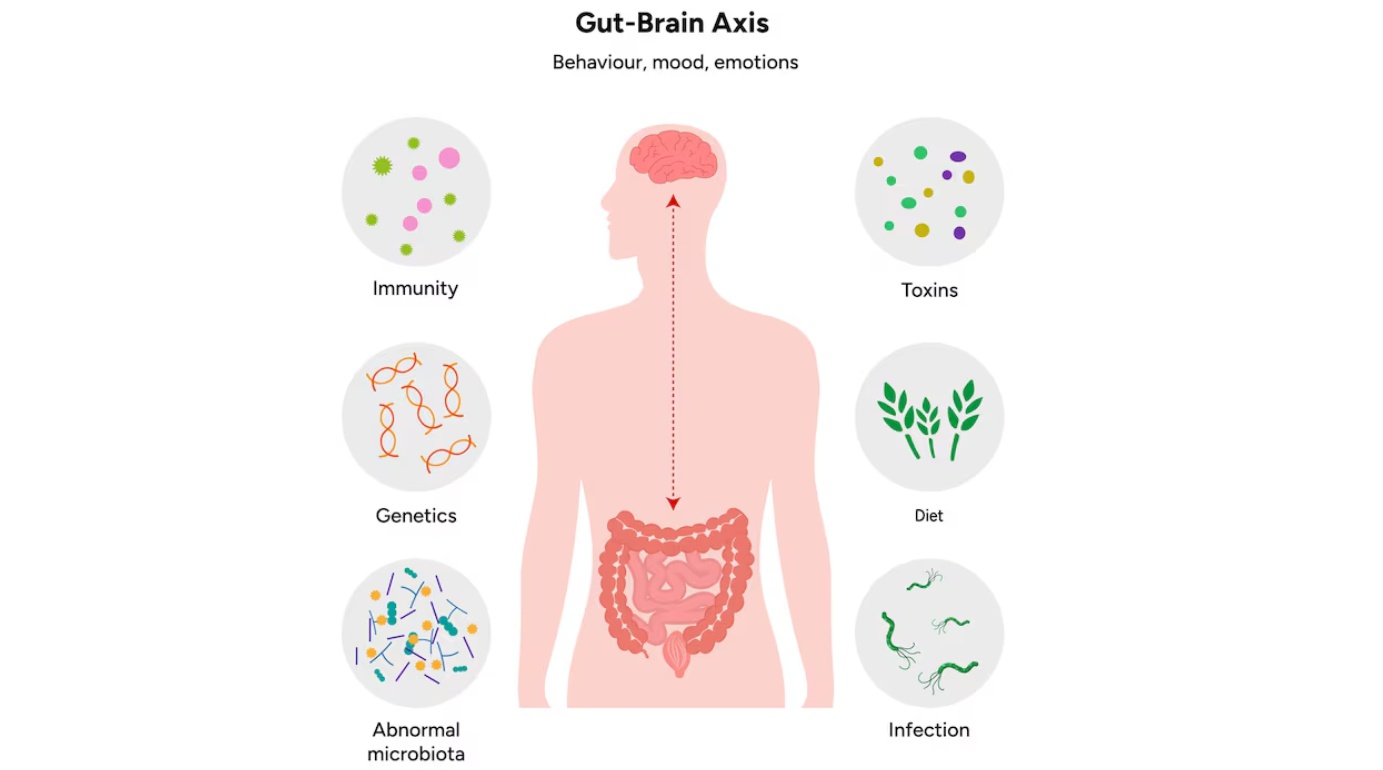
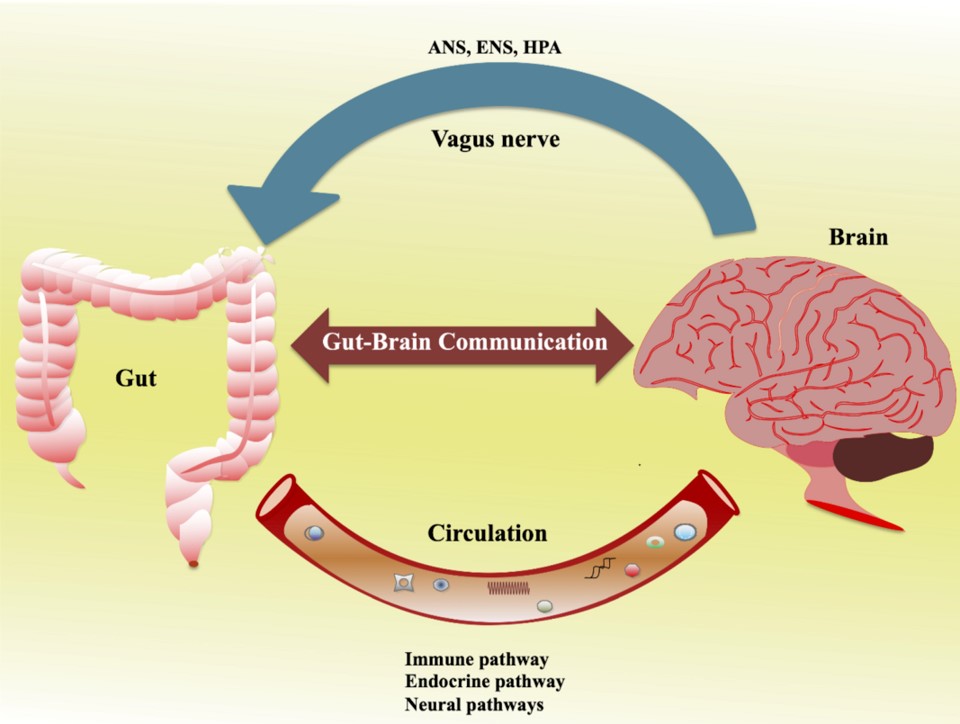
3.5 Gut–Brain Axis and Microbiome Biology
The gut and brain communicate through metabolites, immune signaling, hormones, and the nervous system.
Key pathways:
- microbial short-chain fatty acid production
- tryptophan metabolism
- phenolic compound metabolism
- intestinal immune signaling
Why it matters:This may help explain why some autistic children also have digestive symptoms, food-related behavior changes, or sensitivity during GI flares.
3.6 Methylation, Nutrients, and Gene Regulation
Methylation pathways help regulate how genes are expressed and how the body handles neurotransmitter synthesis and detoxification.
Key pathways:
- folate cycle
- methionine cycle
- one-carbon metabolism
- transsulfuration
Why it matters:These pathways connect nutrition, metabolism, oxidative balance, and gene regulation.
Biomarkers
One of the most active areas of autism research involves identifying biological markers that reflect underlying biology. Biomarkers could potentially help researchers understand autism subtypes or guide future treatments.
Several categories are being studied.
Neuroimaging biomarkers
Brain imaging technologies such as MRI can reveal differences in brain structure and connectivity. Researchers are studying patterns related to:
- cortical development
- neural connectivity networks
- early brain growth trajectories
Neurophysiological biomarkers
Electroencephalography (EEG) can measure electrical activity in the brain. Scientists use EEG to study:
- sensory processing differences
- neural response to stimuli
- brain connectivity patterns
Molecular biomarkers
Researchers are also investigating biological signals in blood and other tissues. Examples include:
- inflammatory cytokines
- metabolic markers
- gene expression profiles
- proteomic signatures
Microbiome biomarkers
Differences in gut microbial composition have also been observed in some studies of autism. Scientists are studying whether microbial metabolites may influence brain development or behavior.
Symptoms or patterns
Autism affects children in many different ways. A systems-biology approach can help explain why symptoms vary so much from one child to another.
Common developmental and behavioral patterns
- social communication differences
- repetitive behaviors
- focused or restricted interests
- differences in emotional regulation
Common sensory patterns
- sensitivity to sounds, lights, textures, or smells
- sensory-seeking behavior
- overload during transitions or busy environments
Common body-based patterns some families notice
- sleep difficulties
- digestive issues
- fatigue or low stamina
- fluctuations after illness
- food-related or gut-related behavior changes
Important note:These symptoms do not prove a specific biological mechanism, but research suggests that multiple systems may contribute to the patterns families observe.
Testing or measurement
Currently, autism is diagnosed through developmental and behavioral assessments, not through laboratory tests.
Standard diagnosis includes
- developmental screening tools
- structured behavioral observation
- clinical interviews with parents
- standardized diagnostic instruments
Biological testing being studied in research or specialty practice
- genetic testing
- metabolomics
- organic acid testing
- blood nutrient and metabolic markers
- inflammatory markers
- microbiome testing
- EEG and imaging in research settings
Important clinical caution
These tools may sometimes help explore co-occurring medical patterns, but they are not currently validated as stand-alone diagnostic tests for autism.
Summary
If your child has autism, it is natural to want a clear explanation.
Right now, science tells us that autism does not come from one single cause. Instead, it reflects differences across multiple biological systems that interact during development. These include the brain, immune system, metabolism, gut microbiome, nutrient pathways, and genetics.
This helps explain why children on the spectrum can be so different from one another. It also helps explain why some children have both developmental differences and body-based symptoms such as digestive issues, fatigue, or sleep challenges.
Most importantly, none of this means that you caused your child’s autism. Autism is not the result of parenting. It is a complex developmental condition shaped by biology in ways we are still learning to understand.
The encouraging news is that autism research is moving toward more personalized, biology-informed care. While diagnosis still depends on behavioral assessment, scientists are working to better understand the systems involved so future therapies and supports can be more precise and more helpful.
FAQ Section
What causes autism?
Current evidence suggests autism is caused by a combination of genetic susceptibility and environmental influences that affect early brain development.
Is autism genetic?
Autism has a strong genetic component, but most cases do not come from one single gene. Many genes and biological pathways are involved.
Is there a medical test for autism?
No. Autism is diagnosed through developmental and behavioral evaluation, not by one blood or urine test.
Why do some autistic children also have gut or sleep problems?
Research suggests that some children may have differences in gut-brain signaling, metabolism, immune function, or circadian biology that contribute to these patterns.
Are biomarkers useful?
Biomarkers are useful in research and may sometimes help explore co-occurring biological patterns, but they are not currently diagnostic for autism.
References
Wang, M., Zhang, X., Zhong, L., Zeng, L., Li, L., & Yao, P. (2025). Understanding autism: Causes, diagnosis, and advancing therapies. Brain Research Bulletin. PMID: 40449388.
Wang, L., Wang, B., Wu, C., Wang, J., & Sun, M. (2023). Autism spectrum disorder: Neurodevelopmental risk factors, biological mechanism, and precision therapy. International Journal of Molecular Sciences, 24(3), 1819. https://doi.org/10.3390/ijms24031819







Stay Up to Date
Join hundreds of families staying connected to the latest expert-backed insights on kids' and teens' mental health — from nutrition, lifestyle, and supplements to psychology, tech, and therapeutic tools.
.png)
.png)
