
What mold does to our health
Many parents are surprised to learn that something as common as household moisture can quietly affect a child’s health—particularly during the early years when the brain is still developing rapidly.
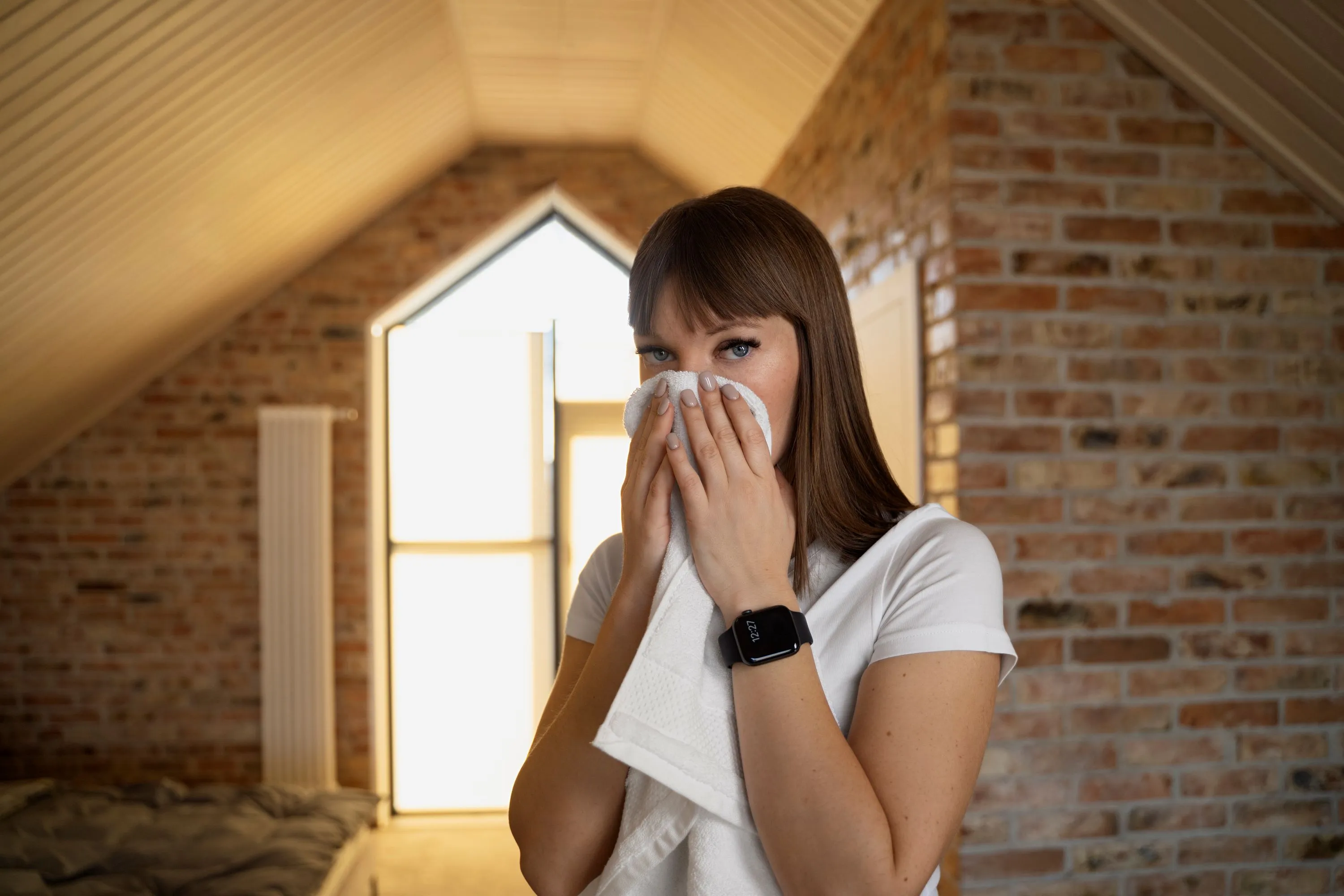
What Mold Does to Our Health—Especially the Brain in Early Childhood
As a pediatrician, one of the most overlooked environmental factors I discuss with families is mold exposure. Many parents are surprised to learn that something as common as household moisture can quietly affect a child’s health—particularly during the early years when the brain is still developing rapidly.
Understanding how mold interacts with the body can help you make informed decisions to protect your child’s environment and long-term health.
What Is Mold and Why Does It Matter?
Mold is a type of fungus that grows in damp environments—think bathrooms, basements, kitchens, or areas with water damage. It reproduces by releasing tiny particles called spores into the air, which can be inhaled.
Some molds also produce mycotoxins, substances that can affect the immune system and, in some cases, the nervous system.
For adults, mold exposure may cause mild symptoms. But for young children, whose bodies and brains are still developing, the impact can be more significant.
Why Early Childhood Is a Sensitive Window
The first years of life are a period of rapid brain development. During this time:
- Neural connections are forming quickly
- The immune system is still maturing
- The body’s detoxification systems are not fully developed
This means children are more vulnerable to environmental exposures, including mold.
Even low levels of chronic exposure can have subtle but meaningful effects over time.
How Mold Affects the Body
Immune System Activation
When mold spores are inhaled, the body may treat them as a threat. This can trigger:
- Chronic low-grade inflammation
- Allergic responses
- Increased sensitivity to other environmental triggers
In some children, this may present as frequent colds, sinus congestion, or persistent coughing.
Respiratory Health
Mold is well known to affect the lungs and airways. In children, this can lead to:
- Wheezing or asthma-like symptoms
- Chronic nasal congestion
- Increased risk of respiratory infections
For children with existing sensitivities, mold can worsen symptoms significantly.
3. Gut and Microbiome Effects
Emerging research suggests that mold exposure may also influence the gut microbiome, which plays a key role in:
- Digestion
- Immune regulation
- Brain signaling
Disruptions in the gut can lead to symptoms such as:
- Abdominal discomfort
- Changes in stool patterns
- Food sensitivities
How Mold Can Affect the Brain
This is where many parents are surprised.
Mold doesn’t just affect the lungs—it can also influence the brain through several pathways.
1. Inflammation and the Brain
Chronic exposure to mold can lead to systemic inflammation, which may affect the brain through what we call the immune-brain connection.
In some children, this may contribute to:
- Brain fog
- Difficulty concentrating
- Increased irritability
2. Effects on Neurotransmitters
Certain mold-related compounds and inflammatory responses can influence neurotransmitters—the chemicals that regulate mood, attention, and behavior.
This may show up as:
- Mood swings
- Anxiety or emotional sensitivity
- Changes in sleep patterns
3. Sensory and Behavioral Changes
In more sensitive children, especially those with neurodevelopmental differences, mold exposure may be associated with:
- Increased sensory sensitivity
- Changes in behavior or regulation
- Fatigue or reduced resilience
It’s important to emphasize: mold is rarely the sole cause, but it can be a contributing factor that amplifies existing vulnerabilities.
Signs Parents May Notice
Every child is different, but some patterns that may raise questions include:
- Symptoms that improve when leaving the home environment
- Persistent congestion or cough without clear infection
- Unexplained fatigue or low energy
- Changes in mood, focus, or behavior
- Musty smells or visible dampness in the home
These signs do not confirm mold exposure—but they can guide further investigation.
What Parents Can Do
1. Focus on the Environment
The most important step is addressing the source of exposure:
- Fix leaks and water damage promptly
- Ensure good ventilation (especially in bathrooms and kitchens)
- Use dehumidifiers in damp areas
- Check hidden areas (behind walls, under sinks, HVAC systems)
2. Support Your Child’s Overall Health
While removing exposure is key, supporting the body can also help:
- Balanced nutrition
- Adequate sleep
- Outdoor time and fresh air
- Reducing other environmental stressors
3. Seek Guidance When Needed
If you suspect mold may be affecting your child:
- Speak with your pediatrician
- Consider environmental assessment of your home
- Evaluate symptoms in the context of the whole child—not just one factor
A Reassuring Perspective for Parents
It’s easy to feel overwhelmed when learning about environmental exposures like mold. But it’s important to remember:
- Not all mold exposure leads to serious health issues
- The body is resilient—especially when supported early
- Small changes in the environment can make a meaningful difference
Most importantly, this is not about fear—it’s about awareness and empowerment.
Final Takeaway
Mold is a common but often underestimated factor in children’s health. During early childhood—when the brain and immune system are developing—it can influence:
- Respiratory health
- Immune balance
- Gut function
- Brain and behavior
By paying attention to the home environment and your child’s patterns, you can take practical steps to support their health and development.
Latest posts
Kite Health in Autism Digest
An outside look at why we're building Kite and what the testing actually shows.
Autism is a Systems Disorder
It's a spectrum of neurodevelopment shaped by genetics, biology, environment, and development. Understanding these systems can help better understand each child's strengths and challenges.
Brain Inflammation in Children
Learn how inflammation affects the developing brain, why it matters in autism and ADHD, and what biomarkers and lifestyle factors may support healthy brain development.
Exciting things are coming.
Sign up to get early access!
We’re building something great – and you’ll be the first to try it.