
Why Does My Child Have Brain Fog?
A science-informed parent perspective on how brain energy, gut health, and development may shape focus, clarity, and behavior.

Table of Contents
- What parents mean by brain fog
- What may be happening in the body
- Key biological systems involved
- Common patterns in children
- When to look deeper
- What parents can do
- FAQ
- References
1. What Parents Mean by “Brain Fog”
If you’re reading this, you’ve probably noticed something subtle but concerning.
Your child may seem:
- slower to respond
- easily distracted
- forgetful or “not fully present”
- inconsistent—clear one day, foggy the next
As a parent, this can feel confusing. It’s not always dramatic enough to be called a clear problem, but it’s persistent enough to raise questions.
Clinically, “brain fog” isn’t a diagnosis. It’s a cluster of symptoms involving attention, memory, and mental clarity—something also recognized by institutions like Cleveland Clinic and Mayo Clinic.
But as parents, we experience it differently: it’s the sense that our child is not quite operating at their full capacity.
2. What May Be Happening in the Body
One of the most helpful mindset shifts is this:
Brain fog is not usually the problem—it’s a signal.
From what we understand in pediatric and neuroscience research, brain fog often reflects changes in how the body is functioning across multiple systems.
Some of the most common contributors include:
- how efficiently the brain produces energy
- how well the body regulates inflammation
- how the gut communicates with the brain
- how neurotransmitters (like dopamine and serotonin) are balanced
- how restorative sleep is
The National Institute of Neurological Disorders and Stroke and the NIH institute emphasizes that cognitive clarity depends on healthy brain signaling and energy metabolism.
In children, these systems are still developing, which makes them more sensitive to imbalances—but also more responsive to support.
3. Key Biological Systems Involved
3.1 Brain Energy (Mitochondria)
The brain is one of the most energy-demanding organs in the body.
If energy production is inefficient, children may experience: - mental fatigue
- slow processing
- reduced focus
Research in neurology shows that even small energy imbalances can affect cognitive performance.
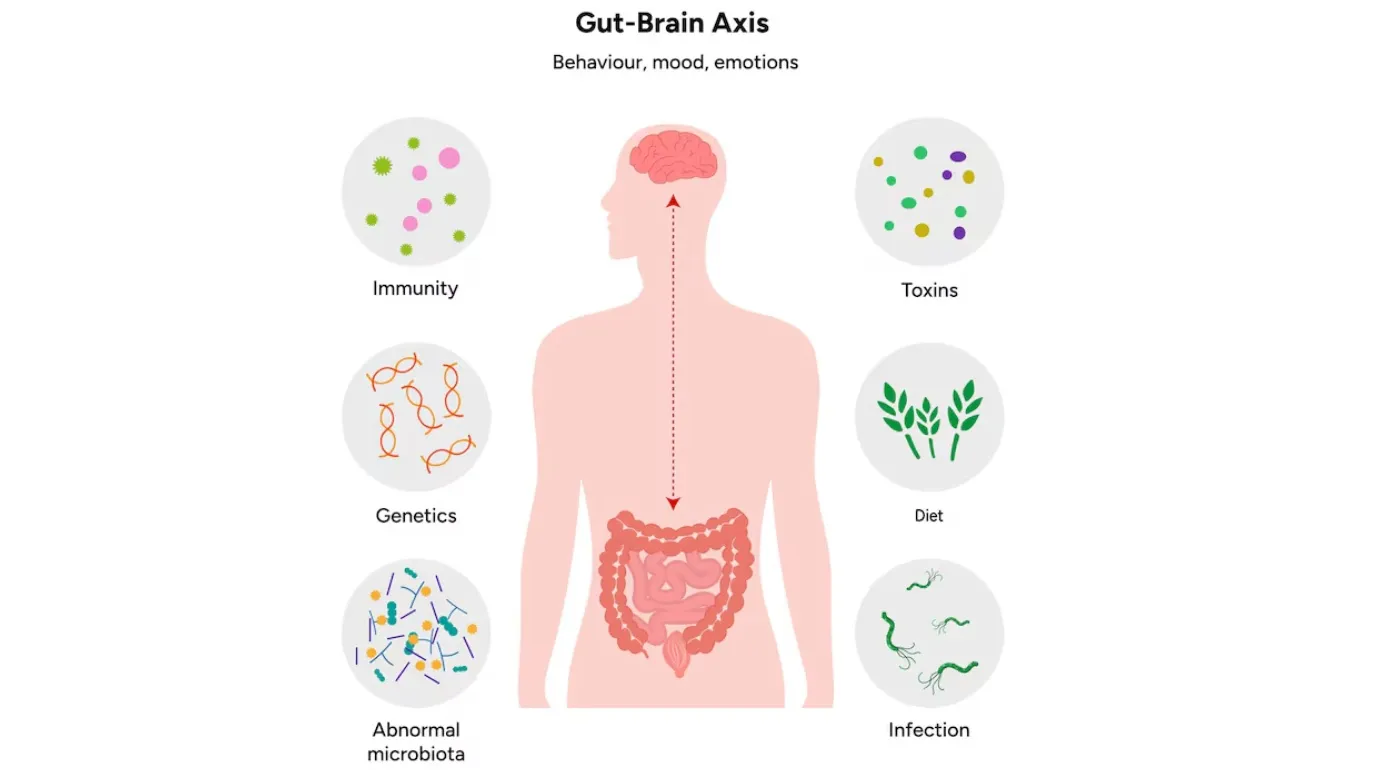
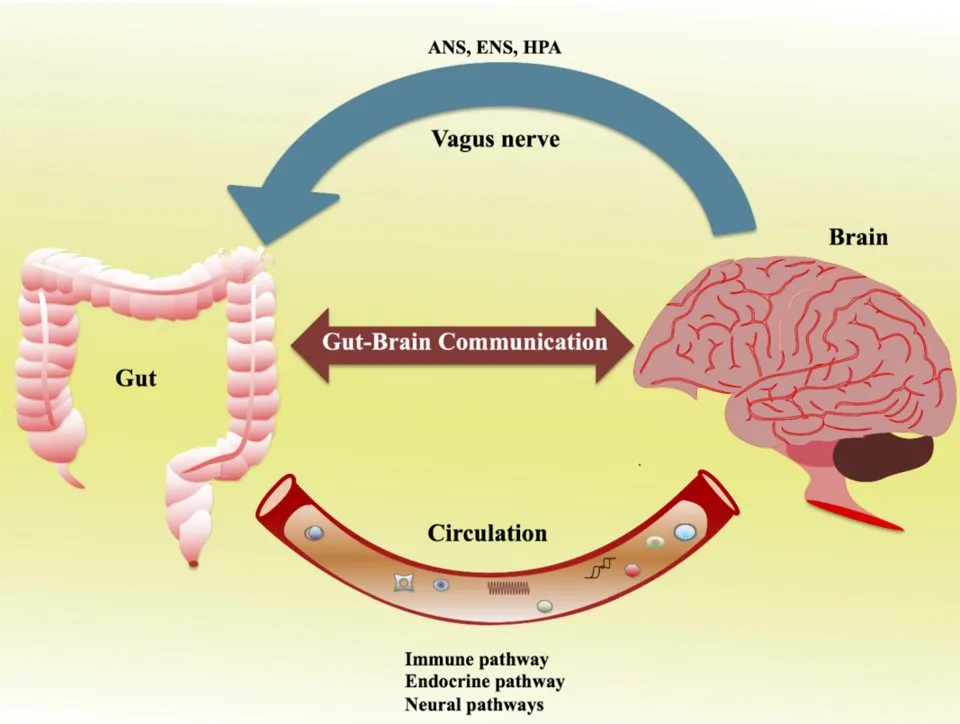
3.2 Gut–Brain Axis
The gut and brain are in constant communication.
Gut bacteria produce compounds that influence: - brain signaling
- inflammation
- mood and attention
Organizations like the Child Mind Institute highlights how physical health—including digestion—can impact behavior and cognition.
3.3 Neurotransmitters (Brain Chemistry)
Neurotransmitters such as dopamine, serotonin, and GABA regulate: - attention
- mood
- emotional balance
Differences in these systems are often seen in children with ADHD or anxiety-related patterns (the National Institute of Mental Health).
3.4 Inflammation and Immune System
Low-grade inflammation can affect how the brain functions.
This doesn’t always look like illness—it can show up as: - reduced clarity
- irritability
- slower thinking
3.5 Sleep and Brain Recovery
Sleep is when the brain restores itself.
Poor sleep can lead to: - difficulty concentrating
- memory challenges
- emotional dysregulation
Pediatric hospitals like Boston Children’s Hospitalemphasizes sleep as foundational for cognitive function.
4. Common Patterns We See in Children
One of the most important insights is that brain fog rarely appears alone.
Instead, it shows up in patterns:
Pattern 1: Brain fog + fatigue → Often linked to energy metabolism
Pattern 2: Brain fog + gut issues → May involve microbiome or digestion
Pattern 3: Brain fog + mood swings → Related to neurotransmitters
Pattern 4: Brain fog + poor sleep → Recovery and circadian rhythm issues
Pattern 5: Brain fog + attention difficulties → Executive function systems
(often discussed in ADHD frameworks by Centers for Disease Control and Prevention)
These patterns matter more than any single symptom.
5. When to Look Deeper
It’s not about overreacting—it’s about noticing patterns.
You may want to look deeper if:
- symptoms are persistent
- they affect school or daily life
- multiple systems are involved (sleep + gut + mood, for example)
- your child seems inconsistent across days
The goal isn’t to label—it’s to understand.
6. What Parents Can Do
While every child is different, there are foundational steps that support brain clarity:
1. Observe patterns
Notice when symptoms appear: - after certain foods
- after poor sleep
- during stressful periods
2. Support sleep
Consistent sleep routines can significantly improve clarity and mood.
3. Prioritize nutrition
Balanced meals support both energy and brain chemistry.
4. Reduce environmental stressors
This includes overstimulation, irregular routines, and environmental exposures.
5. Seek guidance when needed
A pediatrician can help evaluate the bigger picture—not just one symptom.
7. FAQ
Is brain fog normal in children?
Occasional lapses in focus are normal. Persistent brain fog may signal underlying patterns worth understanding.
Is brain fog linked to ADHD?
Yes, many children with ADHD experience attention and processing challenges that may feel like brain fog.
Can diet affect brain fog?
Yes. Nutrition influences energy, gut health, and brain chemistry.
Will it go away?
It depends on the underlying cause. Many contributing factors are modifiable with support.
8. References (APA style)
Centers for Disease Control and Prevention. (2023). Attention-deficit/hyperactivity disorder (ADHD). https://www.cdc.gov
Child Mind Institute. (2023). Understanding attention and behavior in children. https://childmind.org
Cleveland Clinic. (2023). Brain fog: Symptoms, causes, and treatment. https://my.clevelandclinic.org
Mayo Clinic. (2023). Cognitive impairment and brain health. https://www.mayoclinic.org
National Institute of Mental Health. (2023). Attention and brain function. https://www.nimh.nih.gov
National Institute of Neurological Disorders and Stroke. (2023). Brain basics. https://www.ninds.nih.gov
Boston Children’s Hospital. (2023). Sleep and cognitive development in children. https://www.childrenshospital.org
Latest posts












Stay Up to Date
Join hundreds of families staying connected to the latest expert-backed insights on kids' and teens' mental health — from nutrition, lifestyle, and supplements to psychology, tech, and therapeutic tools.
