

.png)
Metabolomics and the Developing Brain
Table of contents
- Introduction: What Is Metabolomics?
- Research Evidence and What It Means
- How Metabolism Affects the Brain
- Key Biomarkers Explained
- Symptoms and Patterns in Children
- How Metabolomics Is Measured
- What This Means for Your Child
- Frequently Asked Questions
- References
As a pediatrician, I often hear parents ask a very important question:
“Is there a way to understand what’s happening inside my child’s body—not just behavior, but biology?”
One of the most promising scientific tools helping answer this question is called metabolomics.
What is Metabolomics?
Metabolomics is the study of small molecules in the body called metabolites. These are the end products of how our body processes food, nutrients, bacteria, and energy.
Think of metabolomics as a real-time snapshot of how the body is functioning.
If genetics is the “blueprint,” metabolomics is what actually happens in daily life:
- How the body produces energy
- How nutrients are used
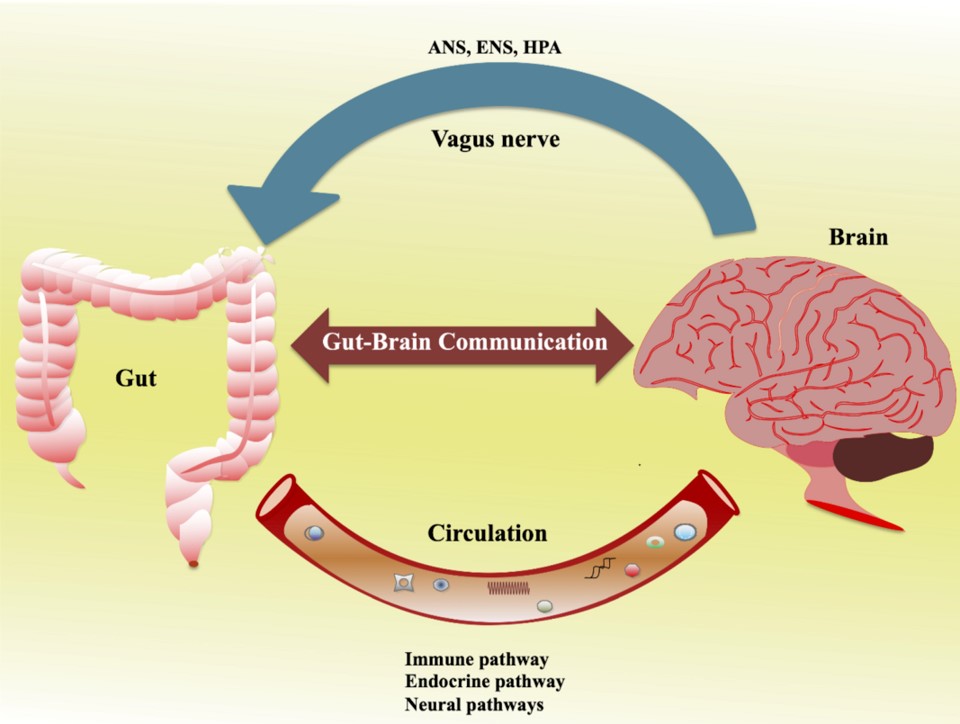
- How the gut and brain communicate
- How inflammation or stress shows up in the body
In children, and especially in neurodevelopmental conditions like autism or ADHD, metabolomics is helping researchers understand patterns behind symptoms, not just the symptoms themselves.
Research Evidence
Across the research you provided, a few consistent themes emerge.
1. Children with autism show distinct metabolomic profiles
Multiple studies have found differences in urine and blood metabolites in children with autism.
These include changes in: - amino acids
- energy metabolism markers
- oxidative stress indicators
- gut-derived metabolites
These patterns suggest that autism may involve system-level metabolic differences, not just brain-based differences.
Evidence confidence: Moderate to High
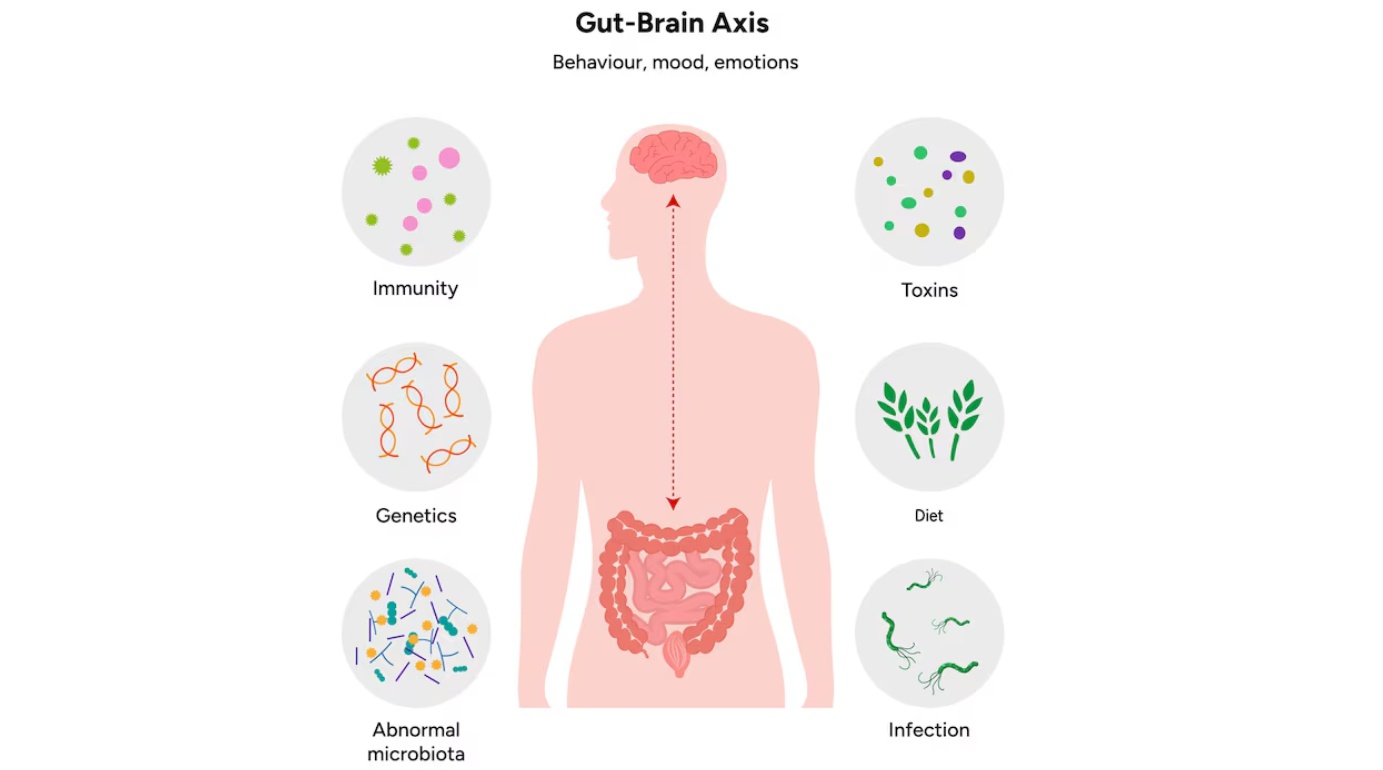
2. Microbial metabolites play a central role
Several studies highlight that many metabolites linked to neurodevelopment come from gut bacteria.
Examples include: - short-chain fatty acids
- para-cresol
- tryptophan metabolites
These molecules can influence the brain through the gut-brain axis.
Evidence confidence: Moderate
3. Metabolomics can identify subtypes, not just diagnoses
Recent research suggests that metabolomics may help identify distinct biological subgroups within autism, rather than treating all children as one category.
This is a key shift toward precision medicine.
Evidence confidence: Moderate
4. Similar metabolic patterns appear across brain-related conditions
Studies in Alzheimer’s disease, depression, and aging show overlapping pathways:
- mitochondrial dysfunction
- oxidative stress
- altered lipid metabolism
- inflammation
This suggests metabolomics reflects core brain-health pathways, not just one condition.
Evidence confidence: Moderate
5. Gut–brain communication is metabolically driven
Research consistently shows that metabolites produced by gut bacteria can:
- influence microglia (brain immune cells)
- affect neurotransmitter systems
- alter brain signaling and inflammation
Evidence confidence: Moderate to High
Biological Pathway
Metabolomics helps us understand several key systems in the body.
3.1 Energy metabolism (mitochondria)
The brain is one of the most energy-demanding organs.
Metabolites like lactate, pyruvate, and TCA-cycle intermediates reflect how well cells produce energy.
In some children, disruptions in these pathways may affect attention, learning, and resilience.
3.2 Amino acids and neurotransmitters
Amino acids are building blocks for neurotransmitters such as serotonin, dopamine, and GABA.
Changes in amino acid metabolism may influence: - mood
- focus
- behavior
- sensory processing
3.3 Gut microbiome metabolites
Gut bacteria produce metabolites that travel through the bloodstream to the brain.
These include: - short-chain fatty acids
- phenols like para-cresol
- tryptophan derivatives
These compounds can influence inflammation, neurotransmission, and brain development.
3.4 Oxidative stress and detox pathways
Metabolomics often reveals markers of oxidative stress and antioxidant capacity.
These pathways are important for protecting brain cells during development.
3.5 Lipid and membrane metabolism
Lipids are critical for brain structure and signaling.
Changes in lipid metabolites may affect cell membranes and neural communication.
Biomarkers
Metabolomics identifies measurable biomarkers that reflect biology.
Common categories include:
Energy markers
- lactate
- pyruvate
- TCA intermediates
Amino acid markers
- glutamate
- tryptophan metabolites
- branched-chain amino acids
Gut-derived markers
- para-cresol
- short-chain fatty acids
Oxidative stress markers
- glutathione-related metabolites
Lipid markers
- fatty acids
- phospholipids
Important note: these biomarkers are patterns, not single diagnostic tools.
Symptoms or Patterns
Metabolomics helps explain why symptoms can vary widely.
Patterns often studied include:
- attention and focus difficulties
- sensory sensitivities
- mood regulation challenges
- sleep disturbances
- gastrointestinal symptoms
- fatigue or low energy
Rather than linking one metabolite to one symptom, research looks at patterns across systems.
Testing or Measurement
How metabolomics is measured
Metabolomics can be assessed through:
- urine tests
- blood tests
- stool analysis (for gut-related metabolites)
Advanced techniques include:
- mass spectrometry
- nuclear magnetic resonance
What testing can show
- patterns of metabolism
- gut-brain signaling markers
- nutrient-related pathways
- oxidative stress balance
Limitations
- not diagnostic on its own
- results depend on diet, environment, and timing
- interpretation requires clinical context
Summary for Parents
Metabolomics is a powerful way to understand how a child’s body is functioning beneath the surface.
It helps us move from asking:
“What diagnosis does my child have?”
To also asking:
“What biological patterns may be contributing to my child’s experience?”
Research shows that metabolism, gut bacteria, and brain function are deeply connected.
At the same time, metabolomics is still an evolving field.
For parents, the most important takeaway is:
Metabolomics adds insight—but it does not replace thoughtful clinical care.
FAQ for Parents
What is metabolomics in simple terms?
It is the study of small molecules in the body that reflect how your child’s body is functioning in real time.
Can metabolomics diagnose autism?
No. It can show biological patterns but cannot diagnose autism on its own.
Why is the gut important?
Gut bacteria produce metabolites that directly influence the brain.
Is metabolomics useful?
Yes, especially for understanding patterns and supporting research, but it must be interpreted carefully.
References (APA style)
Ahmed, H., Leyrolle, Q., Koistinen, V., Kärkkäinen, O., Layé, S., Delzenne, N., & Hanhineva, K. (2022). Microbiota-derived metabolites as drivers of gut-brain communication. Gut Microbes, 14(1), 2102878. https://doi.org/10.1080/19490976.2022.2102878
Chen, C. Y., Wang, Y. F., Lei, L., & Zhang, Y. (2024). Impacts of microbiota and its metabolites through gut-brain axis on pathophysiology of major depressive disorder. Life Sciences, 351, 122815. https://doi.org/10.1016/j.lfs.2024.122815
Deng, W., Yi, P., Xiong, Y., Ying, J., Lin, Y., Dong, Y., Wei, G., Wang, X., & Hua, F. (2024). Gut metabolites acting on the gut-brain axis: Regulating the functional state of microglia. Aging and Disease, 15(2), 480–502. https://doi.org/10.14336/AD.2023.0727
Flynn, C. K., Adams, J. B., Krajmalnik-Brown, R., Khoruts, A., Sadowsky, M. J., Nirmalkar, K., Takyi, E., & Whiteley, P. (2025). Review of elevated para-cresol in autism and possible impact on symptoms. International Journal of Molecular Sciences, 26(4), 1513. https://doi.org/10.3390/ijms26041513
Flynn, C., Carr, K., Whiteley, P., Nirmalkar, K., Bellinghiere, A., Hahn, J., Liu, H., Arici, H., Hewitson, L., Devlin, M., Pollard, E., Pathak, K., Garcia, K., Rosales, A., Pirrotte, P., Kalb, D., Keen, R., Kenyon, V., Fasano, A., Krajmalnik-Brown, R., … Adams, J. (2025). Elevated microbially-derived metabolites in autism: A possible diagnostic screening test for a distinct ASD phenotype. Research Square. https://doi.org/10.21203/rs.3.rs-7643826/v1
Hernandez, P., Rackles, E., Alboniga, O. E., Martínez-Lage, P., Camacho, E. N., Onaindia, A., Fernandez, M., Talamillo, A., & Falcon-Perez, J. M. (2025). Metabolic profiling of brain tissue and brain-derived extracellular vesicles in Alzheimer’s disease. Journal of Extracellular Vesicles, 14(2), e70043. https://doi.org/10.1002/jev2.70043
Jiao, B., Ouyang, Z., Liu, Q., Xu, T., Wan, M., Ma, G., Zhou, L., Guo, J., Wang, J., Tang, B., Zhao, Z., & Shen, L. (2024). Integrated analysis of gut metabolome, microbiome, and brain function reveal the role of gut-brain axis in longevity. Gut Microbes, 16(1), 2331434. https://doi.org/10.1080/19490976.2024.2331434
Likhitweerawong, N., Thonusin, C., Boonchooduang, N., Louthrenoo, O., Nookaew, I., Chattipakorn, N., & Chattipakorn, S. C. (2021). Profiles of urine and blood metabolomics in autism spectrum disorders. Metabolic Brain Disease, 36(7), 1641–1671. https://doi.org/10.1007/s11011-021-00788-3
Qureshi, F., Adams, J. B., Audhya, T., & Hahn, J. (2022). Multivariate analysis of metabolomic and nutritional profiles among children with autism spectrum disorder. Journal of Personalized Medicine, 12(6), 923. https://doi.org/10.3390/jpm12060923
Wang, Y., Sun, Y., Wang, Y., Jia, S., Qiao, Y., Zhou, Z., Shao, W., Zhang, X., Guo, J., Song, X., Niu, X., & Peng, D. (2023). Urine metabolomics phenotyping and urinary biomarker exploratory in mild cognitive impairment and Alzheimer's disease. Frontiers in Aging Neuroscience, 15, 1273807. https://doi.org/10.3389/fnagi.2023.1273807









Stay Up to Date
Join hundreds of families staying connected to the latest expert-backed insights on kids' and teens' mental health — from nutrition, lifestyle, and supplements to psychology, tech, and therapeutic tools.
.png)
.png)
