
Understanding Oxalates: What They Are and Why They Matter
A pediatrician explains how oxalic acid is connected to food, microbes, inflammation, and the developing brain

- 1. What are oxalates?
- 2. Where does it come from?
- 3. Why does it matter?
- 4. What happens when it’s high or low?
- 5. Symptoms or patterns
- 6. How it’s measured
- 7. What parents should know
1. What Are Oxalates?
As a pediatrician, I find that parents often hear the word oxalates and immediately wonder whether they are dealing with something harmful. The more helpful starting point is this: oxalates are real molecules in biology, and like many things in medicine, context matters.
Oxalates are the salts or chemical forms of oxalic acid, a small organic acid found in nature. Oxalic acid is made by plants, fungi, bacteria, and also by the human body in small amounts. It is not just a “food chemical.” It is part of a broader ecological and metabolic world.
The two papers you shared focus mainly on oxalic acid in microbial biology. They show that oxalic acid sits at an important crossroads in nature, especially in bacterial–fungal interactions. Microorganisms may produce it, break it down, or respond to it in ways that change their environment. In other words, oxalic acid is not just a waste product. It is also a signal, a tool, and a metabolic intermediate in microbial ecosystems.
For parents, the practical takeaway is that oxalates are best understood as part of a larger gut–microbe–body system. When people talk about oxalates in children, they are usually referring to the possibility that oxalate balance may affect the gut, the urinary system, inflammation, or overall body stress.
That does not mean oxalates are proven causes of neurodevelopmental conditions. But it does mean they may be one of several biologic pieces worth understanding.
2. Where Does It Come From?
Oxalic acid can come from several places, and this is where the story becomes more interesting.
2.1 Food sources
Some foods naturally contain more oxalates than others. Examples often discussed include spinach, beets, nuts, rhubarb, chocolate, and some seeds. This does not mean these foods are “bad.” It simply means they contain more oxalate than others.
2.2 The body’s own metabolism
The human body can also produce oxalate internally through normal metabolism. So even if someone eats a low-oxalate diet, oxalate can still be present.
2.3 Gut microbes
This is one of the most important ideas from the research. Microbes can influence oxalate biology in both directions:
- some fungi and bacteria produce oxalic acid
- some bacteria can degrade or use oxalate
- microbial communities can shift the local environment in ways that increase or reduce oxalate activity
The 2019 review by Palmieri and colleagues describes oxalic acid as a key molecule in bacterial–fungal ecological interactions. It can shape pH, nutrient availability, mineral binding, and microbial competition. The 2024 review by Grąz also emphasizes that oxalic acid is deeply involved in fungal and bacterial metabolism and has wider biological effects because of how it interacts with minerals, enzymes, and surrounding tissues.
2.4 The environmental context
Because oxalic acid can bind minerals such as calcium, it can change local chemistry. In microbial environments, that can influence survival, colonization, and metabolic behavior. In the body, that same chemistry raises questions about whether oxalates may contribute to irritation, crystals, or altered mineral handling in certain children.
3. Why Does It Matter?
Parents usually do not ask about oxalates because they are interested in microbiology. They ask because they want to know whether oxalates may matter for their child’s symptoms, inflammation, or brain development.
The honest scientific answer is this: the strongest direct evidence from these two papers is about microbial metabolism and ecology, not child brain development specifically. But these findings still matter because they help explain how oxalates may fit into bigger biologic systems.
3.1 Gut ecology matters for children
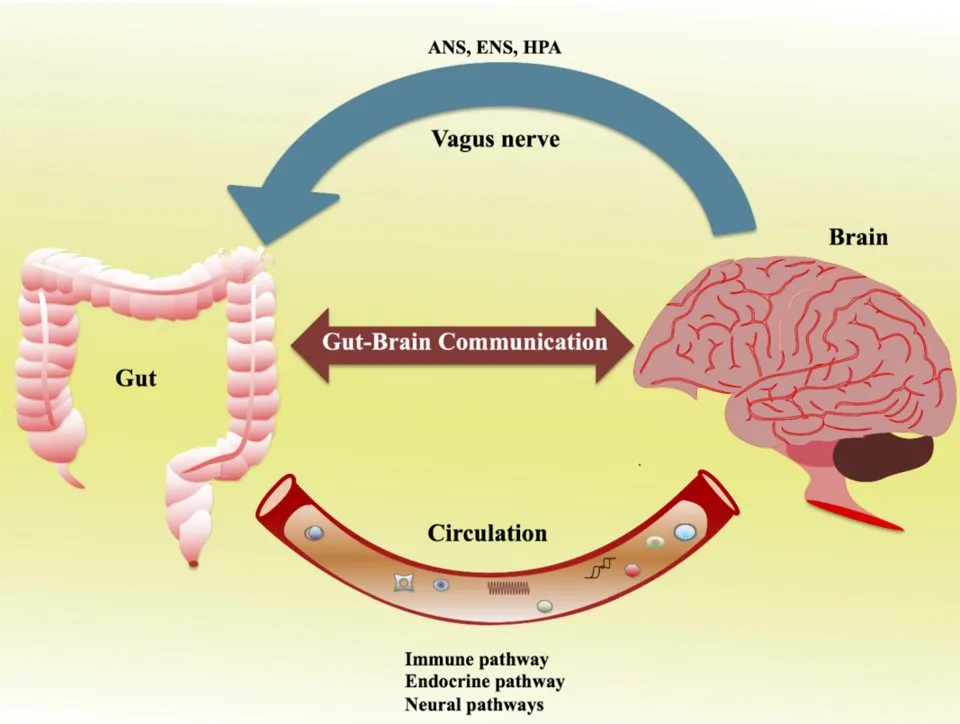
If oxalic acid is part of how microbes interact, then oxalate balance may reflect or influence the health of the gut ecosystem. Since gut health affects digestion, immune signaling, and metabolite production, oxalates may become relevant as part of the gut–brain axis.
3.2 Oxalates can change local chemistry
Oxalic acid can acidify local environments and bind minerals, especially calcium. In the microbial world, this helps organisms compete and survive. In the human body, this chemistry may matter because it can affect tissue irritation, crystal formation, and mineral availability.
3.3 Inflammation and body stress
Parents are often most interested in whether oxalates might contribute to inflammatory burden. While the papers do not prove that oxalates drive neurodevelopmental symptoms, they do support the idea that oxalic acid is a biologically active molecule, not a passive bystander. If a child already has gut dysregulation, altered microbiota, food sensitivities, or inflammatory vulnerability, oxalates may be one factor worth considering in the larger picture.
3.4 Why the developing brain could still be affected indirectly
The developing brain is highly sensitive to the body’s internal environment. Anything that meaningfully affects:
- gut function
- inflammation
- immune signaling
- nutrient handling
- pain or sleep
can indirectly affect how a child feels, behaves, sleeps, and functions.
So while oxalates are not a proven direct brain toxin in these reviews, they may still matter indirectly if they contribute to a child feeling unwell, inflamed, uncomfortable, or dysregulated.
4. What Happens When It’s High or Low?
When oxalate burden may be high
When oxalate load becomes too high—or when the body is not handling oxalate smoothly—possible concerns may include:
- urinary irritation or crystal formation
- GI discomfort in some sensitive individuals
- worsening symptoms in children who already have complex gut or inflammatory patterns
A high oxalate burden does not look the same in every child. Some may have no clear symptoms at all, while others may seem much more sensitive.
When oxalate balance is healthier
A healthier oxalate balance may mean:
- better microbial handling of oxalate
- less local irritation
- more stable digestion and mineral balance
What about “low” oxalate?
The research you provided does not suggest that low oxalate is itself a clinical problem in children. The more useful clinical question is usually whether a child has excess oxalate exposure, excess internal production, or reduced microbial breakdown.
This is important because it prevents overreaction. The goal is not to fear oxalates as a category. The goal is to ask whether oxalate biology may be contributing to a broader pattern.
5. Symptoms or Patterns
Oxalates do not create one specific “oxalate symptom.” Instead, parents tend to notice patterns.
Possible patterns sometimes discussed include:
- urinary discomfort
- frequent complaints of body discomfort without a clear cause
- digestive sensitivity
- symptom flares after certain foods
- sleep disruption or irritability when the body seems under stress
For some children with neurodevelopmental differences, parents may also notice that physical discomfort seems to amplify:
- sensory sensitivity
- emotional dysregulation
- brain fog
- reduced resilience
That does not mean oxalates are the root cause. It means that body discomfort and biologic stress can affect the brain indirectly.
This is especially relevant in children because they often cannot clearly explain what they feel. A child who seems more irritable, foggy, or dysregulated may sometimes be responding to something physical.
6. How It’s Measured
Oxalate biology can be explored in a few different ways, depending on the clinical question.
Common approaches
- urine testing for urinary oxalate
- broader organic acid or metabolomic panels in some specialty settings
- clinical history about diet, stool patterns, urinary symptoms, and food-related flares
What testing can and cannot do
Testing may help show whether oxalate levels look elevated or whether there is a broader metabolic pattern worth exploring.
But testing has limitations:
- oxalate levels can vary
- diet affects results
- one result does not explain a whole child
- interpretation depends heavily on context
This is why oxalates are best understood through a pattern-based lens, not as a stand-alone diagnosis.
7. What Parents Should Know
If you are a parent trying to understand oxalates, here is the most balanced takeaway.
Oxalic acid is a real and biologically active molecule. It is made by microbes, influenced by diet, and involved in larger systems such as gut ecology, mineral chemistry, and inflammation. The papers you shared strongly support oxalic acid’s importance in bacterial and fungal metabolism.
What they do not prove is that oxalates directly cause neurodevelopmental disorders or directly damage the developing brain in children. That would go beyond the evidence.
But in clinical life, it is still reasonable to care about oxalates when a child shows patterns such as:
- digestive sensitivity
- urinary discomfort
- food-related symptom flares
- signs that body stress may be contributing to behavior or regulation
As a parent, you do not need to panic about oxalates. What helps most is a calm, structured approach:
- notice patterns
- avoid jumping to conclusions from one symptom
- consider oxalates as one possible part of a bigger biologic picture
- work with clinicians who think in systems, not isolated symptoms
The bigger lesson is that molecules like oxalic acid remind us that the gut, microbes, metabolism, and brain are connected. In children, especially, small biologic imbalances can sometimes show up as very real differences in comfort, behavior, or resilience.
That is why understanding the body beneath the symptoms matters.
8. References
Grąz, M. (2024). Role of oxalic acid in fungal and bacterial metabolism and its biotechnological potential. World Journal of Microbiology & Biotechnology, 40(6), 178. https://doi.org/10.1007/s11274-024-03973-5
Palmieri, F., Estoppey, A., House, G. L., Lohberger, A., Bindschedler, S., Chain, P. S. G., & Junier, P. (2019). Oxalic acid, a molecule at the crossroads of bacterial-fungal interactions. Advances in Applied Microbiology, 106, 49–77. https://doi.org/10.1016/bs.aambs.2018.10.001
Latest posts











Stay Up to Date
Join hundreds of families staying connected to the latest expert-backed insights on kids' and teens' mental health — from nutrition, lifestyle, and supplements to psychology, tech, and therapeutic tools.
