

.png)
What Is Oxidative Stress and How It Affects the Brain in Early Development?

Table of Contents
- What is oxidative stress?
- Where does it come from?
- Why it matters for the brain
- What happens when it’s too high
- Symptoms and patterns in children
- How it’s measured
- What parents should know
- References
What Is Oxidative Stress?
Oxidative stress is a biological process that happens when there is an imbalance between free radicals and the body’s ability to neutralize them with antioxidants.
Free radicals are unstable molecules naturally produced when the body generates energy. In small amounts, they are normal and even useful. But when they accumulate, they can start to damage cells.
You can think of oxidative stress as a kind of “cellular wear and tear.”
In the brain—especially in children—this balance is particularly important because the brain:
- uses a large amount of energy
- is rich in delicate fatty structures
- is still developing and wiring itself
Where Does It Come From?
Oxidative stress comes from both internal processes and external factors.
Internal sources
- Energy production in mitochondria
- Immune system activation
- Brain signaling activity
Research shows that when the brain has high energy demand but limited efficiency, it may produce more oxidative stress (Borkum, 2021).
External contributors
- Environmental exposures (pollution, toxins)
- Poor sleep
- Nutritional imbalances
- Chronic stress or inflammation
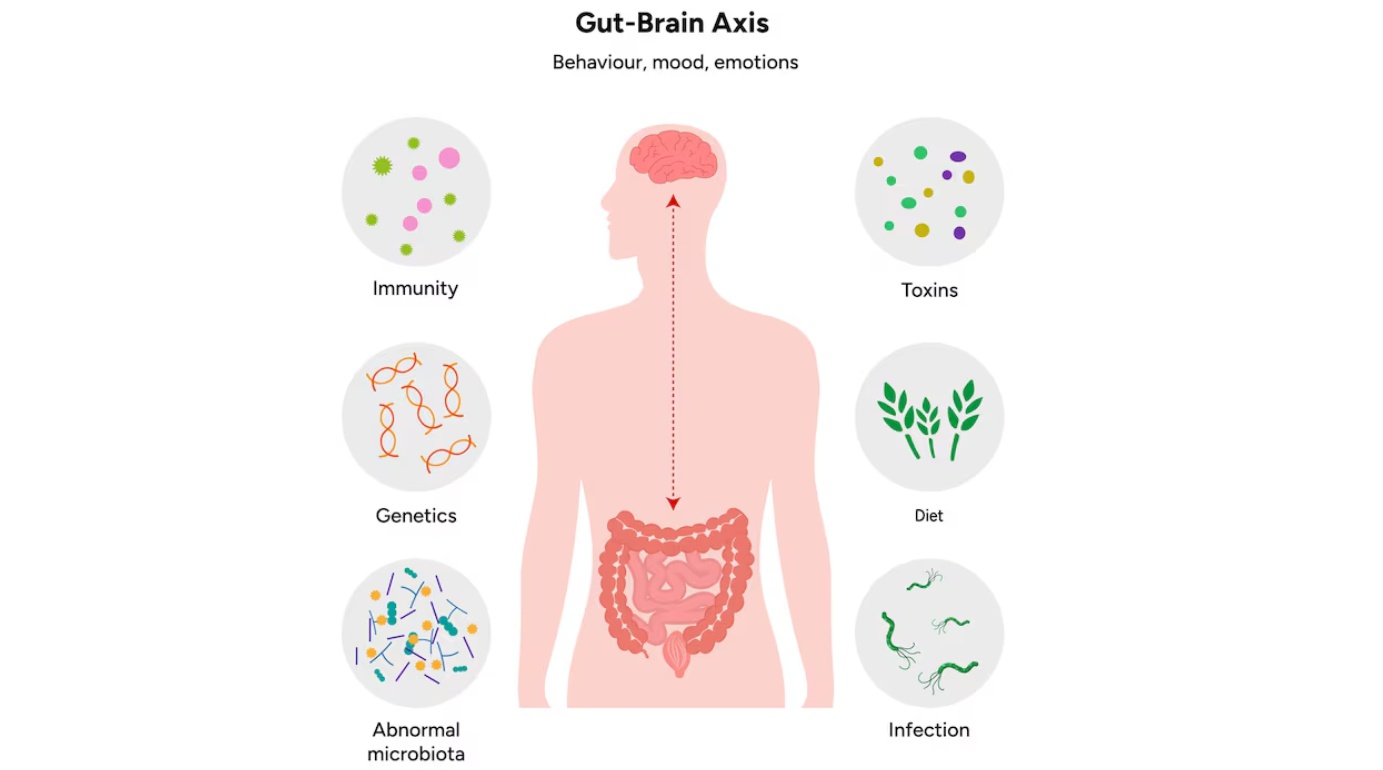
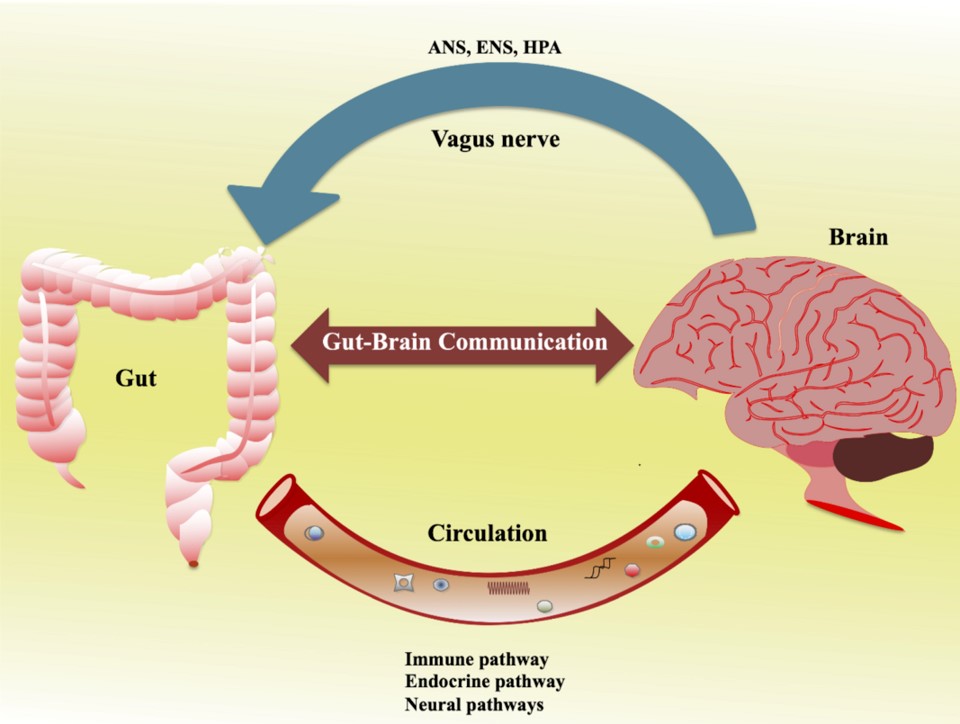
The gut–brain connection
Gut bacteria also influence oxidative stress by producing metabolites that either:
- increase inflammation
- or support antioxidant defenses
Why Does It Matter for the Brain?
Oxidative stress plays a central role in how brain cells function and develop.
1. Brain energy and vulnerability
The brain consumes a large portion of the body’s energy. When energy production is inefficient, oxidative stress increases and can affect brain performance.
2. Neuroinflammation
Oxidative stress and inflammation are closely linked. Studies show they reinforce each other, contributing to brain changes seen in neurological and developmental conditions (Usui et al., 2023).
3. Cellular repair and autophagy
The body has systems like autophagy that help clean up damaged cells. When oxidative stress is too high, these repair systems can become overwhelmed (Talebi et al., 2022).
4. Brain development
During early childhood, the brain is building connections rapidly. Oxidative stress can interfere with:
- neuron development
- synaptic connections
- signaling pathways
What Happens When It’s High or Low?
When oxidative stress is high
Research across autism, ADHD, migraine, and neurodegenerative diseases shows that elevated oxidative stress may be associated with:
- impaired energy production
- increased inflammation
- altered neurotransmitter balance
- cellular damage over time
In autism, studies suggest higher oxidative stress and lower antioxidant capacity may contribute to symptoms (Manivasagam et al., 2020).
In ADHD, oxidative stress may interact with nutrition and metabolism to influence attention and behavior (Visternicu et al., 2024).
When oxidative balance is healthy
When oxidative stress is balanced by antioxidants, the body can:
- repair cells effectively
- maintain stable brain signaling
- support healthy development
Symptoms or Patterns in Children
Oxidative stress does not create one specific symptom. Instead, it contributes to patterns across systems.
Parents may notice:
- fatigue or low energy
- difficulty concentrating
- sensory sensitivities
- mood variability
- sleep challenges
- digestive issues
These patterns are not caused by oxidative stress alone, but oxidative stress may be one underlying contributor.
How It’s Measured
Oxidative stress can be assessed indirectly through biomarkers.
Common markers include:
- glutathione levels
- oxidative damage markers
- lipid peroxidation products
Testing methods
- blood tests
- urine metabolomics
These tests provide patterns, not definitive diagnoses.
What Parents Should Know
It’s important to approach oxidative stress with balance and perspective.
- It is a normal biological process
- It becomes relevant when it is chronic or elevated
- It is influenced by many factors—not just one cause
For parents, the key takeaway is:
Oxidative stress is one piece of your child’s biological puzzle.
Supporting overall health—nutrition, sleep, environment, and emotional well-being—helps the body maintain balance.
This is not about fear. It is about understanding how the body works so you can support it early and thoughtfully.
References
Borkum, J. M. (2021). Brain energy deficit as a source of oxidative stress in migraine. Neurochemical Research, 46(8), 1913–1932. https://doi.org/10.1007/s11064-021-03335-9
Chong, Z. Z., & Souayah, N. (2025). Oxidative stress: Pathological driver in chronic neurodegenerative diseases. Antioxidants, 14(6), 696. https://doi.org/10.3390/antiox14060696
Manivasagam, T., et al. (2020). Role of oxidative stress and antioxidants in autism. Advances in Neurobiology, 24, 193–206. https://doi.org/10.1007/978-3-030-30402-7_7
Patel, M. (2016). Targeting oxidative stress in CNS disorders. Trends in Pharmacological Sciences, 37(9), 768–778. https://doi.org/10.1016/j.tips.2016.06.007
Talebi, M., et al. (2022). Oxidative stress and autophagy in neurological diseases. Behavioral and Brain Functions, 18(1), 3. https://doi.org/10.1186/s12993-022-00187-3
Usui, N., et al. (2023). Neuroinflammation and oxidative stress in autism. International Journal of Molecular Sciences, 24(6), 5487. https://doi.org/10.3390/ijms24065487
Visternicu, M., et al. (2024). Nutrition and oxidative stress in ADHD. Nutrients, 16(18), 3113. https://doi.org/10.3390/nu16183113









Stay Up to Date
Join hundreds of families staying connected to the latest expert-backed insights on kids' and teens' mental health — from nutrition, lifestyle, and supplements to psychology, tech, and therapeutic tools.
.png)
.png)
