
The role of gut bacteria in keeping a healthy pregnancy
The gut microbiome plays a crucial role in maternal health during pregnancy, influencing everything from digestion to immune function, hormone regulation, and fetal development.

Pregnancy is a time of incredible change in a woman’s body. While most people think about hormones, nutrition, and prenatal care, there is another powerful system working quietly in the background: the gut microbiome.
The gut microbiome is the community of trillions of bacteria living in the digestive system. During pregnancy, these microbes don’t just support digestion—they play a key role in maternal health, immune balance, hormone regulation, and even the baby’s development.
Understanding how gut bacteria influence pregnancy can help parents make more informed, supportive choices for both mom and baby.
Why the Gut Microbiome Matters in Pregnancy
The gut microbiome acts like a control center for many systems in the body. During pregnancy, its role becomes even more important because the body is adapting to support both the mother and the growing baby.
Healthy gut bacteria help:
- Break down nutrients and improve absorption
- Support the immune system
- Regulate inflammation
- Influence metabolic health
- Communicate with hormonal pathways
Research shows that the microbiome naturally changes throughout pregnancy, especially in the third trimester. These changes help the body store energy and support fetal growth. However, when the microbiome becomes imbalanced (a state called dysbiosis), it may contribute to complications.
Gut Health and Digestion During Pregnancy
Many common pregnancy symptoms—such as bloating, constipation, and nausea—are linked to digestive changes. Gut bacteria play a direct role in how smoothly digestion works.
A balanced microbiome helps:
- Improve bowel regularity
- Reduce gas and bloating
- Support nutrient breakdown (including fiber, vitamins, and minerals)
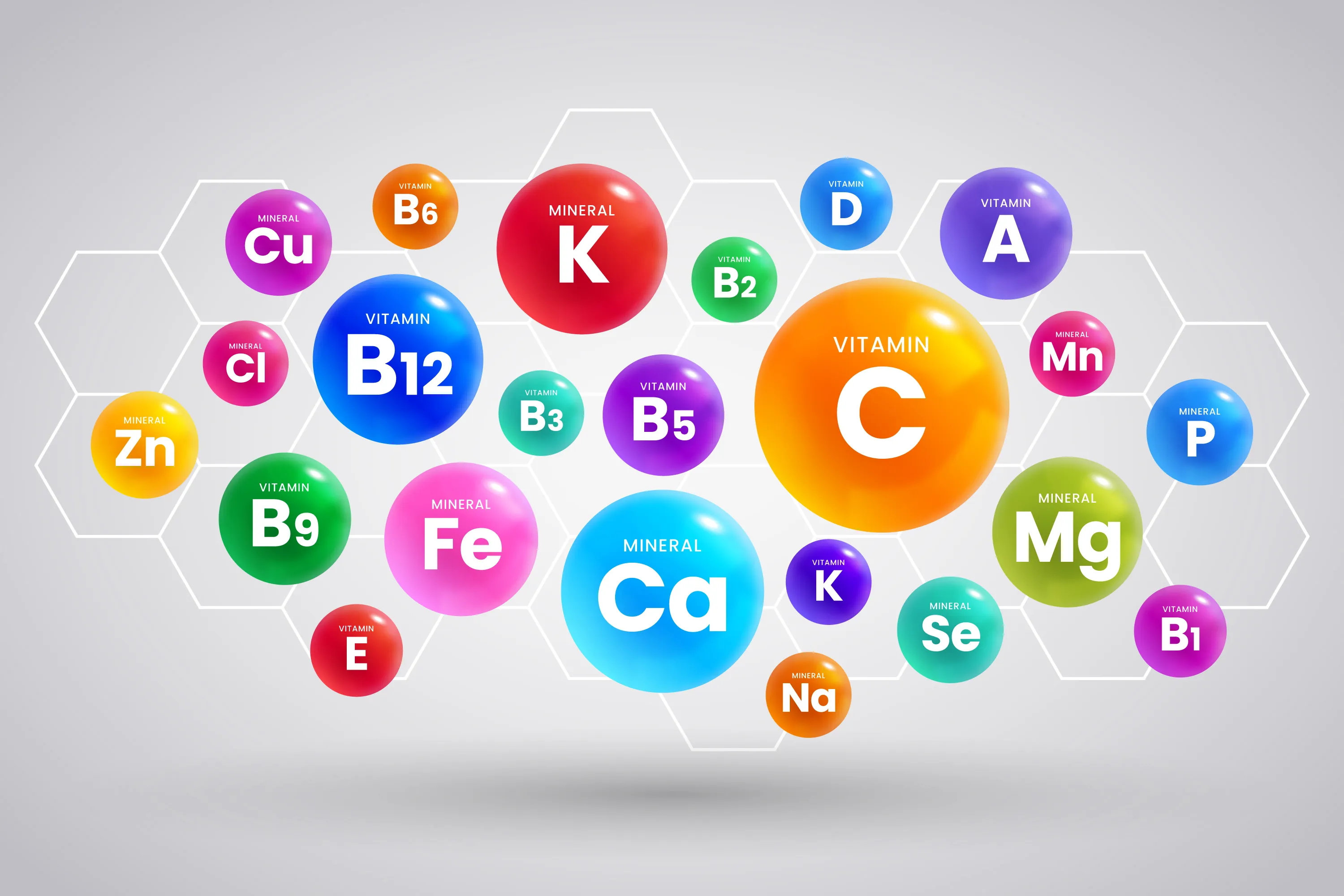
This is especially important because pregnancy increases the need for key nutrients like iron, folate, calcium, and B vitamins. Healthy gut bacteria help ensure these nutrients are properly absorbed and available to both mother and baby.
The Gut–Immune Connection
During pregnancy, the immune system must carefully balance two roles: protecting the mother while also tolerating the developing baby.
Gut bacteria are central to this process.
A healthy microbiome helps:
- Regulate immune responses
- Reduce excessive inflammation
- Support protection against infections
Imbalances in gut bacteria have been associated with increased inflammation and may play a role in conditions such as gestational diabetes, preeclampsia, and preterm birth, although research is still evolving.
Hormones and the Gut Microbiome
Pregnancy is driven by major hormonal shifts, including changes in estrogen, progesterone, and insulin.
Gut bacteria interact closely with these hormones. For example:
- Certain microbes help regulate estrogen levels
- The microbiome influences insulin sensitivity
- Gut bacteria can affect appetite and energy storage
This is one reason why metabolic changes during pregnancy—such as weight gain and blood sugar regulation—are partly influenced by the microbiome.
Supporting Baby’s Development
One of the most fascinating discoveries in recent years is how the mother’s microbiome influences the baby.
During pregnancy, the maternal microbiome contributes to:
- Nutrient availability for fetal growth
- Immune system programming
- Early brain development signals
After birth, the baby begins building their own microbiome, influenced by factors such as delivery method, breastfeeding, and early environment. A healthy maternal microbiome helps set the foundation for this process.
What Can Affect the Gut Microbiome in Pregnancy?
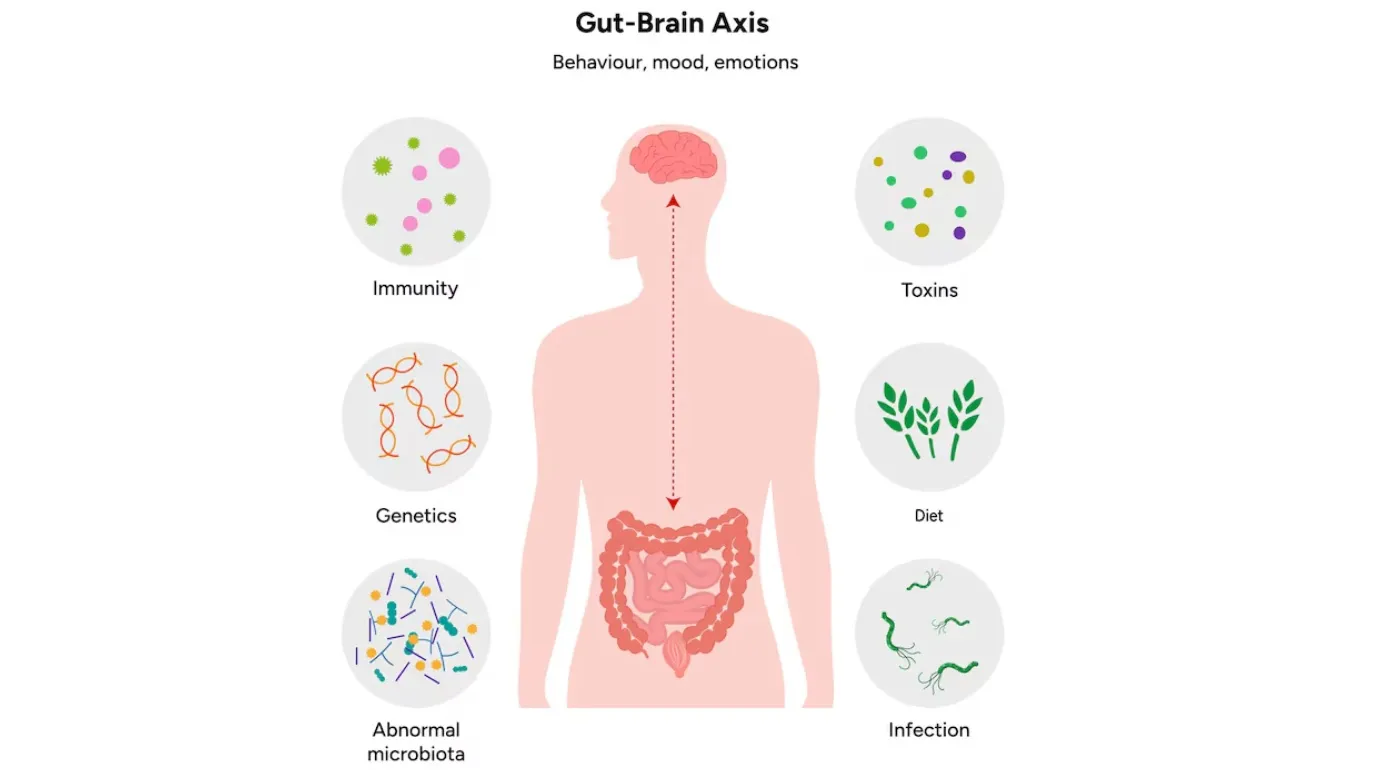
Several factors can influence gut bacteria during pregnancy:
- Diet (fiber-rich vs. processed foods)
- Antibiotic use
- Stress levels
- Sleep quality
- Pre-existing health conditions
For example, diets low in fiber and high in processed foods may reduce beneficial bacteria, while chronic stress can alter microbial balance and inflammation.
How to Support a Healthy Gut During Pregnancy
While there is no single “perfect” microbiome, there are simple ways to support gut health during pregnancy:
1. Eat a fiber-rich diet
Include fruits, vegetables, whole grains, legumes, nuts, and seeds. Fiber feeds beneficial gut bacteria.
2. Include fermented foods
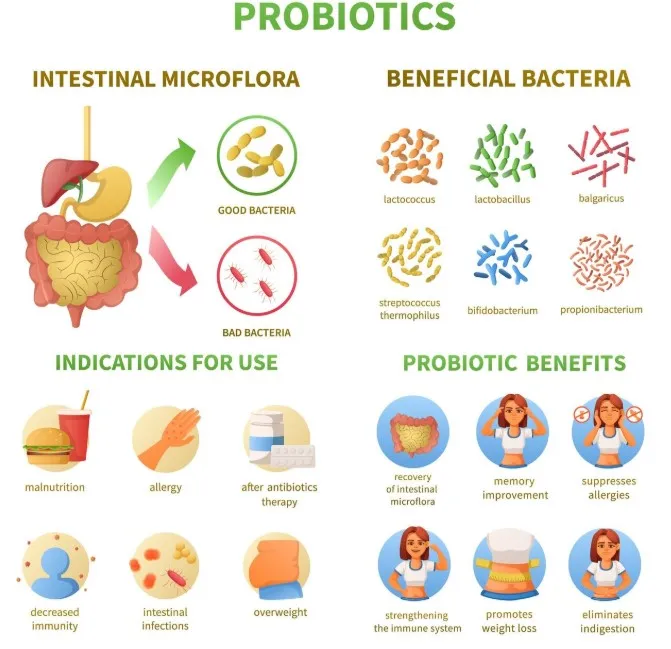
Foods like yogurt, kefir, sauerkraut, and kimchi contain natural probiotics that may support microbial diversity.
3. Prioritize diverse nutrition
Eating a variety of foods helps support a more diverse microbiome, which is generally linked to better health.
4. Stay hydrated
Adequate hydration supports digestion and overall metabolic health.
5. Manage stress and sleep
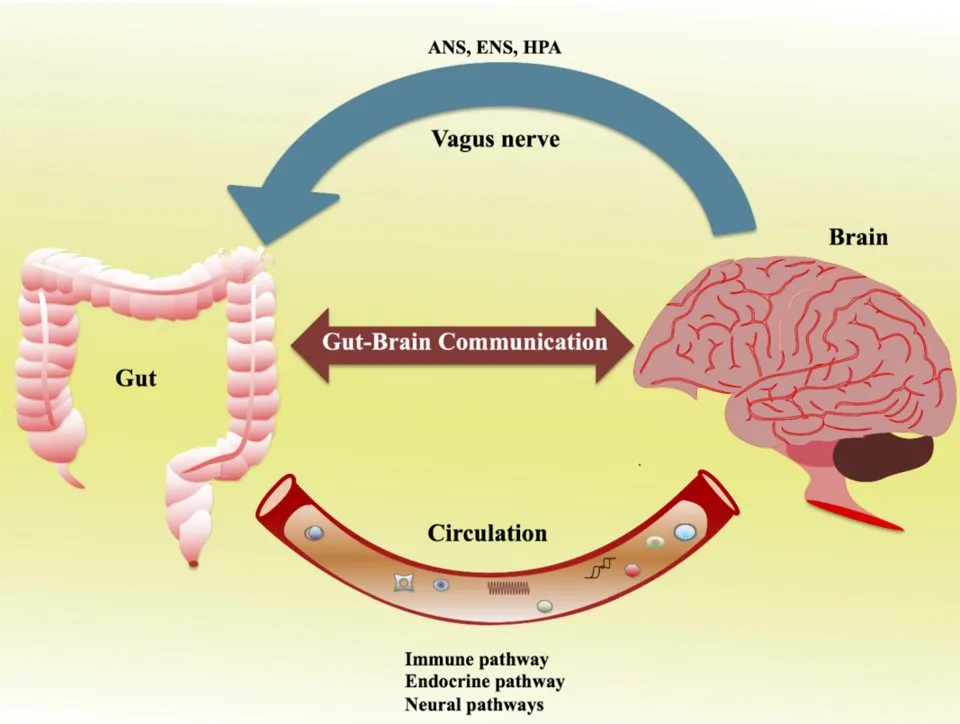
Stress and poor sleep can disrupt the gut–brain axis and affect microbial balance.
6. Use antibiotics only when necessary
Antibiotics can disrupt the microbiome, so they should be used under medical guidance.
A Balanced Perspective for Parents
It’s important to remember that while the microbiome is powerful, it is just one piece of a much larger picture.
A healthy pregnancy is influenced by many factors, including:
- Prenatal care
- Nutrition
- Genetics
- Environment
- Emotional wellbeing
The gut microbiome does not determine outcomes on its own, but it plays a meaningful supporting role.
Summary
The gut microbiome is an essential, often overlooked part of pregnancy health. It supports digestion, helps regulate the immune system, influences hormones, and contributes to the baby’s early development.
For parents, the key takeaway is simple:
- Small daily habits—like eating a diverse, fiber-rich diet and supporting overall wellbeing—can help nurture both maternal health and the developing baby.
- As research continues to grow, the gut microbiome is becoming an important part of how we understand pregnancy—not as a separate system, but as a central partner in the journey from mother to child.
Latest posts












Stay Up to Date
Join hundreds of families staying connected to the latest expert-backed insights on kids' and teens' mental health — from nutrition, lifestyle, and supplements to psychology, tech, and therapeutic tools.