
A New Screening Urine Test for Autism?
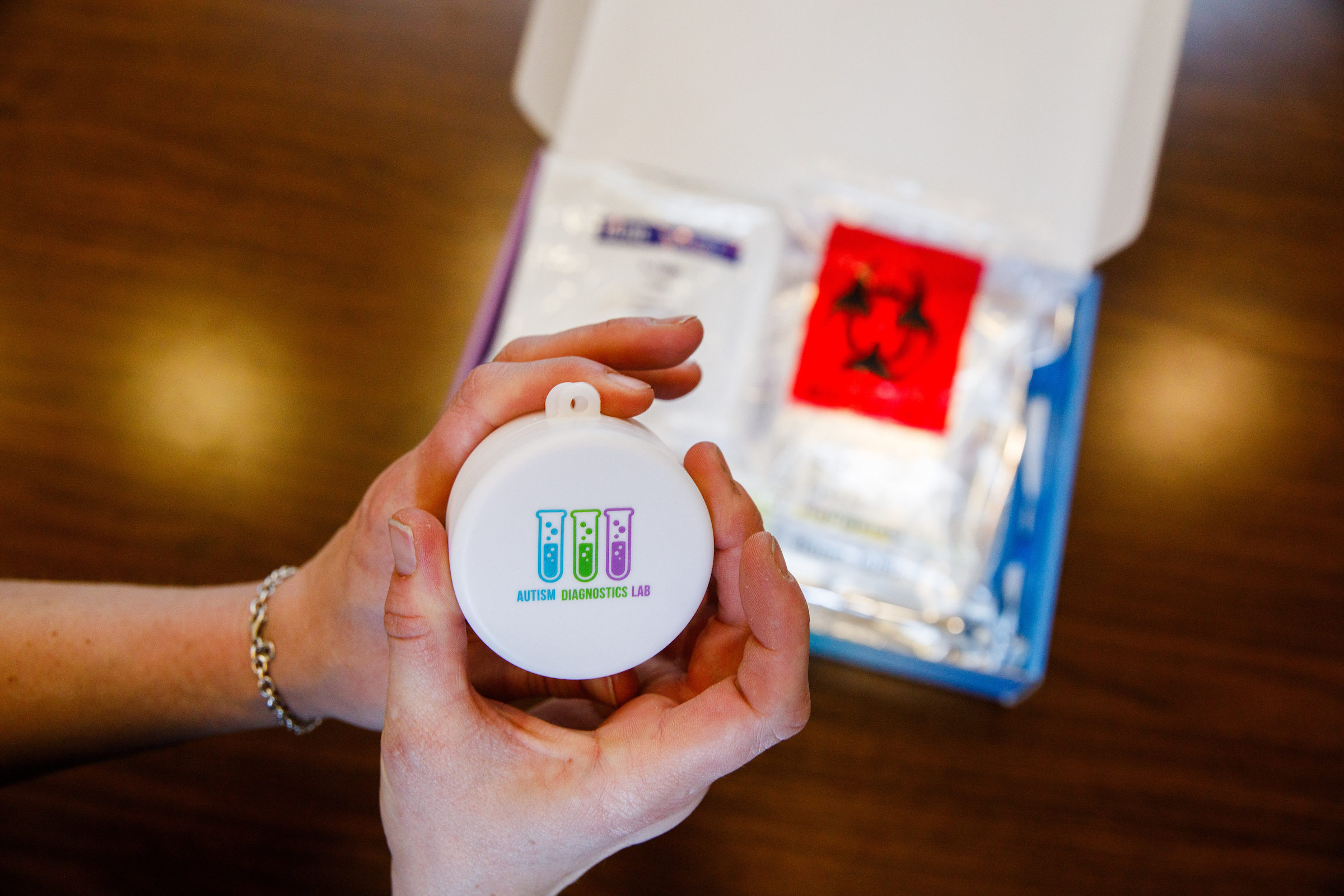
May 26, 2026. A major new study from Arizona State University is bringing a new urine-based metabolite screening approach for autism.
Some Children Show Biological Patterns Long Before a Diagnosis
Many parents describe a feeling they had long before autism was formally identified:
“Something felt different underneath the surface.”
Maybe it was:
- unusual sensory sensitivity
- gut problems
- sleep disruption
- developmental regression
- emotional overwhelm
- repetitive behaviors
- intense anxiety or rigidity
For years, autism research focused mostly on behavior alone.
But newer research is exploring something deeper:
whether some children with autism also show distinct biological and metabolic patterns.
A major new study from Arizona State University and collaborators is bringing this conversation into the mainstream through a new urine-based metabolite screening approach.
And for many families, this may represent an important shift:
moving from “just behavior” toward a more complete brain–body understanding of autism.
What Is This Test About?
The new study explored whether certain microbially-derived metabolites found in urine may help identify a distinct biological subtype of autism.
Metabolites are small molecules produced when the body — and especially gut microbes — process food, nutrients, and chemicals.
You can think of metabolites as:
“chemical fingerprints” showing how the body and microbiome are functioning.
The researchers found that some children with autism had elevated levels of specific gut-derived metabolites, especially:
- p-cresol
- related phenolic compounds
- microbial metabolic byproducts linked to gut bacteria
The goal of the test is not to diagnose autism on its own.
Instead, researchers are exploring whether metabolite patterns could:
- help identify biologically distinct subgroups
- support earlier screening
- improve understanding of symptoms
- guide more personalized support approaches in the future
This is an important distinction:
The test does not define a child. It helps researchers understand patterns underneath the surface.
Where Does It Come From?
One of the most fascinating parts of this research is where these metabolites originate.
The gut microbiome
Many of the metabolites studied come from bacteria living in the gut.
Certain gut microbes break down proteins and amino acids into smaller compounds that can enter circulation and eventually appear in urine.
This is part of what scientists call the:
gut–brain axis
—the constant communication network between:
- the gut
- immune system
- nervous system
- and brain
Microbial metabolism
The featured metabolite in the study, p-cresol, is produced by certain gut bacteria during protein fermentation.
Previous autism research has repeatedly found elevated p-cresol levels in subsets of autistic children.
Researchers believe these compounds may influence:
- inflammation
- oxidative stress
- neurotransmitter signaling
- gut barrier function
- brain communication pathways
Why urine?
Urine is useful because it reflects many metabolic processes happening throughout the body.
Unlike brain scans or invasive procedures, urine testing is:
- non-invasive
- child-friendly
- relatively easy to collect
That makes it attractive for pediatric research and future screening models.
How Could This Help Parents?
This is where the research becomes emotionally meaningful for families.
For many parents, autism has historically been framed only as:
- behavior
- social communication
- developmental observations
But many families also notice physical patterns such as:
- digestive issues
- food sensitivities
- sleep problems
- fluctuating behavior
- sensory overload
- fatigue
- emotional dysregulation
This newer metabolomics research suggests that for some children:
behavior may partly reflect underlying biological stress or altered metabolism.
That does not mean autism is “caused” by one metabolite.
But it does support a more integrated understanding of neurodevelopment.
Potential future benefits of this research may include:
- earlier recognition of autism-related biological patterns
- more personalized interventions
- improved understanding of symptom variability
- better parent education about the brain–body connection
For many parents, simply having a biological explanation can reduce guilt and confusion.
Why Researchers Believe Metabolites May Help Predict Autism
The study published in Molecular Psychiatry found that elevated microbial metabolites were associated with a distinct autism phenotype.
This matters because autism is increasingly understood as:
not one single condition, but many overlapping biological pathways.
Researchers are beginning to identify subgroups involving:
- immune activation
- oxidative stress
- microbiome differences
- altered neurotransmitter metabolism
- mitochondrial dysfunction
Metabolites may act as indirect markers of these deeper systems.
The researchers particularly focused on:
- p-cresol
- microbial phenols
- oxidative stress pathways
because these compounds may influence:
- brain signaling
- inflammation
- cellular energy production
This aligns with growing evidence that the gut microbiome and metabolism may influence neurodevelopment in at least some children.
However, it is very important to stay scientifically balanced:
This test is still emerging research. It is not currently a stand-alone diagnostic tool for autism.
What Symptoms or Patterns Might It Identify?
The metabolite patterns discussed in the study may be associated with children who show combinations of:
Neurological and behavioral patterns
- sensory sensitivity
- repetitive behaviors
- emotional dysregulation
- anxiety
- rigidity
- attention difficulties
Gut and physical patterns
- constipation
- bloating
- GI discomfort
- food sensitivities
Cognitive patterns
- brain fog
- fluctuating focus
- fatigue
Again, these metabolites do not “cause” one specific symptom.
Instead, they may reflect:
larger biological patterns affecting the brain and body together.
This systems-based view is becoming increasingly important in autism research.
How Is It Measured?
The researchers used urine metabolomic analysis to measure microbial-derived metabolites.
This involves:
- collecting a urine sample
- analyzing metabolite concentrations
- identifying metabolic patterns linked to research findings
Metabolomics uses advanced laboratory technologies to detect small molecules produced through:
- metabolism
- gut microbial activity
- oxidative stress pathways
Because urine collection is simple and non-invasive, this approach may eventually help expand pediatric screening research.
However:
a metabolite test alone cannot diagnose autism.
Clinical diagnosis still depends on:
- developmental history
- behavior
- communication patterns
- clinical evaluation
What Parents Should Know
This research is exciting not because it “solves autism,” but because it expands how we understand children.
It reminds us that:
- the brain is connected to the gut
- biology and behavior interact constantly
- some symptoms may reflect underlying metabolic stress
- children deserve whole-body understanding, not just labels
At the same time, parents should approach new biomarker research thoughtfully.
This study does not mean:
- autism is caused by one toxin
- one metabolite explains every child
- urine testing replaces developmental assessment
What it does suggest is something powerful:
Some autistic children may have identifiable biological patterns that deserve deeper study and compassionate understanding.
For families, this may eventually lead to:
- earlier recognition
- more personalized support
- and better explanations for why children experience the world differently.
References
Arizona State University. (2026, May 26). New urine test provides simple way to screen autism in children. ASU News. https://news.asu.edu/20260526-health-and-medicine-new-urine-test-provides-simple-way-screen-autism-children
Flynn, C. K., Carr, K., Whiteley, P., et al. (2026). Elevated microbially-derived metabolites in autism: a possible diagnostic screening test for a distinct ASD phenotype. Molecular Psychiatry. https://doi.org/10.1038/s41380-026-03620-5
Latest posts
Kite Health in Autism Digest
An outside look at why we're building Kite and what the testing actually shows.
Autism is a Systems Disorder
It's a spectrum of neurodevelopment shaped by genetics, biology, environment, and development. Understanding these systems can help better understand each child's strengths and challenges.
Brain Inflammation in Children
Learn how inflammation affects the developing brain, why it matters in autism and ADHD, and what biomarkers and lifestyle factors may support healthy brain development.
Exciting things are coming.
Sign up to get early access!
We’re building something great – and you’ll be the first to try it.