
How the Brain Grows and Changes
Many autistic children follow unique developmental pathways involving brain growth, connectivity, sensory processing, attention, and social learning.
What Is Brain Development?
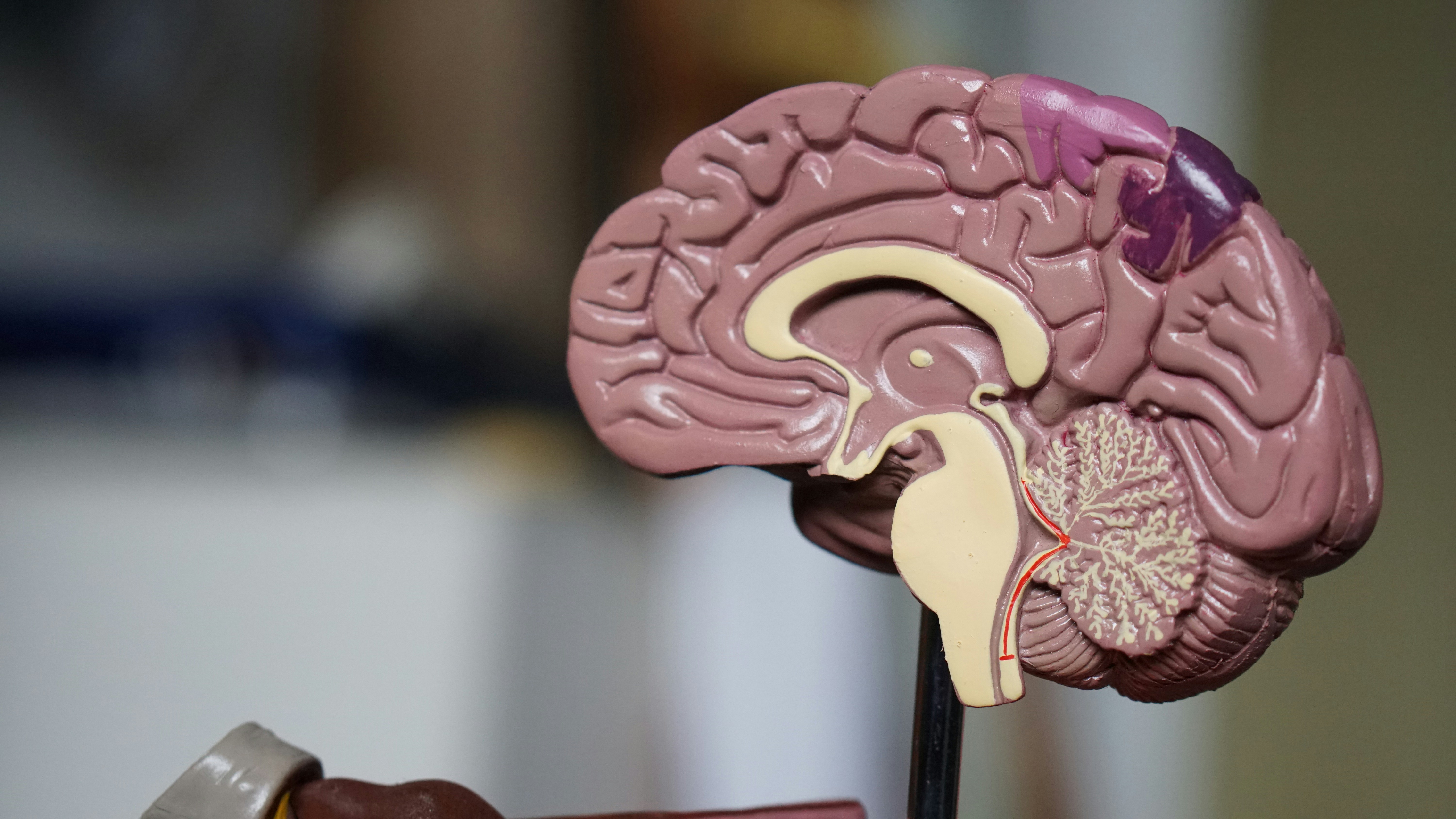
Brain development is the process by which the brain is built, organized, and refined throughout life.
Although many people think brain development happens only after birth, it actually begins before a baby is born.
Brain development involves:
- creating neurons (brain cells)
- forming connections between neurons
- strengthening useful pathways
- removing unnecessary connections
- organizing brain networks
Think of the developing brain like a rapidly growing city. New roads are constantly being built. Some roads become major highways. Others disappear because they are rarely used. This process allows the brain to become increasingly specialized and efficient.
Importantly: Brain development does not follow one perfect blueprint. Every child develops differently, and variation is a normal part of human development.
When Does It Come From? Which Stages Matter Most?
Research from Geraldine Dawson, Joseph Piven, and colleagues suggests that autism-related brain differences begin very early—often during prenatal development.
Stage 1: Prenatal Development
During pregnancy:
- neurons are created
- brain regions are formed
- early neural circuits emerge
Research suggests some autism-related genetic and biological influences may affect this stage.
Stage 2: Infancy (0–2 years)
This is one of the most important periods.
During infancy:
- brain volume increases rapidly
- sensory systems mature
- social attention develops
- communication pathways emerge
Several studies have shown that some infants who later develop autism display differences in brain growth during the first years of life.
Importantly:
Behavioral symptoms often appear after biological differences have already begun.
Stage 3: Early Childhood
Between ages 2 and 6:
- language networks expand
- executive function develops
- emotional regulation improves
- social learning accelerates
This is often when autism becomes easier to recognize clinically.
Stage 4: Adolescence
Brain development continues into the twenties.
During adolescence:
- planning systems mature
- emotional regulation networks strengthen
- social reasoning becomes more sophisticated
Autistic teenagers continue to experience ongoing brain development just like neurotypical peers.
Why Does the Brain Develop in So Many Different Ways?
One of the most important findings in autism research is that there is no single autism brain.
The brain develops differently because of many interacting factors:
Genetics
Research from Christopher Walsh and colleagues demonstrates that hundreds of genes contribute to brain development.
Different combinations of genes can influence:
- connectivity
- communication
- sensory processing
- learning
Environment
The environment also influences development.
Examples include:
- nutrition
- sleep
- stress
- social experiences
- physical health
Genes and environment work together throughout life.
Brain Plasticity
The brain is constantly adapting.
This ability—called neuroplasticity—means development is dynamic rather than fixed.
Children continue building and modifying brain pathways throughout childhood and adolescence.
What Happens in Autism?
Modern autism research suggests several recurring patterns.
Importantly, these are averages—not rules.
Every autistic child is unique.
Differences in Brain Connectivity
Many studies suggest autism involves differences in how brain regions communicate.
Some networks may be:
- more strongly connected
- less synchronized
- organized differently
These differences may influence:
- communication
- sensory processing
- attention
- social learning
Early Brain Growth Differences
Research reviewed by Shen and Piven suggests some children later diagnosed with autism experience accelerated brain growth during infancy.
Scientists continue investigating what drives this pattern.
Sensory Processing Differences
Autistic brains often process sensory information differently.
This may affect:
- sound
- touch
- movement
- visual information
This is why sensory sensitivities are so common.
The Cerebellum
The cerebellum was traditionally viewed as a movement center.
Research summarized by Joan S. Baizer suggests it also contributes to:
- attention
- learning
- language
- emotional regulation
The cerebellum is one of the most consistently studied brain regions in autism.
Social Brain Networks
Networks involved in:
- social attention
- face processing
- communication
may develop differently in autistic individuals.
This does not mean autistic people lack social interest.
Rather, the brain may process social information differently.
Symptoms or Patterns That May Reflect Brain Development
Brain development differences can appear as patterns rather than isolated symptoms.
Parents may notice:
Communication Patterns
- delayed speech
- unique language development
- echolalia
Sensory Patterns
- sound sensitivity
- texture sensitivity
- sensory seeking
Attention Patterns
- intense focus on interests
- difficulty shifting attention
Social Patterns
- different social engagement styles
- preference for predictable interactions
Emotional Regulation Patterns
- overwhelm during change
- difficulty regulating strong emotions
Importantly:
These patterns reflect differences in brain organization—not a lack of intelligence or potential.
How Is Brain Development Measured?
Researchers use several tools to study brain development.
MRI
Structural MRI helps scientists study:
- brain size
- brain regions
- developmental trajectories
Functional MRI (fMRI)
Measures how different brain regions communicate.
EEG
Measures electrical activity in the brain.
Behavioral Assessments
Clinicians often learn more from observing:
- communication
- play
- attention
- social interaction
than from brain scans alone.
Currently:
Autism is not diagnosed using MRI or brain imaging.
Diagnosis remains based on developmental and behavioral evaluation.
What Parents Should Know
If there is one message I hope parents take from modern autism research, it is this:
Autism begins as a difference in brain development—not as a parenting problem, a behavioral choice, or a failure to learn.
Research increasingly shows that autism starts early in life, often before symptoms are obvious.
At the same time:
- brains remain adaptable
- development continues throughout childhood
- learning never stops
- support matters
The autistic brain is not a static structure. It continues to grow, reorganize, and learn across the lifespan.
Rather than asking: "How do we fix the brain?"
A more helpful question is: "How do we support this unique brain so it can thrive?"
That shift in perspective changes everything.
References (APA Style)
Baizer, J. S. (2024). Neuroanatomy of autism: What is the role of the cerebellum? Cerebral Cortex, 34(13), 94–103. https://doi.org/10.1093/cercor/bhae050
Brambilla, P., Hardan, A., di Nemi, S. U., Perez, J., Soares, J. C., & Barale, F. (2003). Brain anatomy and development in autism: Review of structural MRI studies. Brain Research Bulletin, 61(6), 557–569. https://doi.org/10.1016/j.brainresbull.2003.06.001
Dawson, G., Rieder, A. D., & Johnson, M. H. (2023). Prediction of autism in infants: Progress and challenges. The Lancet Neurology, 22(3), 244–254. https://doi.org/10.1016/S1474-4422(22)00407-0
Shen, M. D., & Piven, J. (2017). Brain and behavior development in autism from birth through infancy. Dialogues in Clinical Neuroscience, 19(4), 325–333. https://doi.org/10.31887/DCNS.2017.19.4/mshen
Walsh, C. A., Morrow, E. M., & Rubenstein, J. L. (2008). Autism and brain development. Cell, 135(3), 396–400. https://doi.org/10.1016/j.cell.2008.10.015
Latest posts
Kite Health in Autism Digest
An outside look at why we're building Kite and what the testing actually shows.
Autism is a Systems Disorder
It's a spectrum of neurodevelopment shaped by genetics, biology, environment, and development. Understanding these systems can help better understand each child's strengths and challenges.
Brain Inflammation in Children
Learn how inflammation affects the developing brain, why it matters in autism and ADHD, and what biomarkers and lifestyle factors may support healthy brain development.
Exciting things are coming.
Sign up to get early access!
We’re building something great – and you’ll be the first to try it.