
How the Microbiome Affects Brain Development
The intestinal barrier and blood-brain barrier act as "gates" that regulate communication between the gut and the brain.

Your Child's Brain Doesn't Develop Alone
Inside your child's digestive system lives an entire ecosystem of trillions of bacteria, viruses, fungi, and other microorganisms called the microbiome. For many years, scientists thought these microbes only helped digest food.
Today, we know something remarkable: "The microbiome and the brain are constantly communicating. Research over the last decade has revealed that this communication—called the microbiota–gut–brain axis—may influence":
- immune development
- stress responses
- brain growth
- mood
- sleep
- behavior
- learning
- emotional regulation
This doesn't mean gut bacteria "cause" autism or ADHD. But it does suggest that the body and brain develop together, and that the microbiome may be one of the many systems involved in how children experience the world.
What Is the Microbiome?
The microbiome refers to the trillions of microorganisms living throughout the body, especially inside the intestines.
These microbes:
- help digest food
- produce vitamins
- train the immune system
- protect against harmful organisms
- produce signaling molecules and metabolites
The microbiome begins developing before birth and changes rapidly during infancy and childhood.
Researchers now consider the microbiome almost like another organ because of how much it influences the rest of the body.
Every child has a unique microbiome, and there is no single "perfect" microbial profile.
How Is the Microbiome Connected to the Brain?
Scientists call this communication network the microbiota-gut-brain axis.
It works through several pathways:
Nervous System
The vagus nerve creates a direct communication pathway between the gut and brain.
Immune System
Microbes help regulate inflammation and immune responses.
Immune molecules produced in the gut can affect brain development.
Metabolites
Gut bacteria produce molecules that enter the bloodstream and influence the brain.
Examples include:
- short-chain fatty acids
- tryptophan metabolites
- serotonin precursors
- phenolic compounds
Hormones and Stress
The microbiome influences stress hormones and emotional responses.
Barrier Systems
Recent work by Aburto and Cryan highlights that both the intestinal barrier and blood-brain barrier act as "gates" that regulate communication between the gut and the brain.
Why Does It Affect Brain Development?
Brain development is one of the most energy-intensive processes in the body.
The brain depends on:
- nutrients
- immune balance
- metabolites
- neurotransmitters
- proper signaling
The microbiome influences all of these systems.
Research suggests that microbial signals may affect:
Synapse formation
How neurons connect with one another.
Myelination
The insulation that allows brain cells to communicate efficiently.
Neurotransmitters
Gut microbes help influence:
- serotonin
- dopamine
- GABA
Microglia
The immune cells that help shape the developing brain.
Stress resilience
Early microbial development appears to affect how the nervous system responds to stress later in life.
Because infancy and childhood are periods of rapid brain growth, microbiome changes during these windows may have long-term effects.
What Happens in Neurodiverse Children?
Research suggests that some children with autism and ADHD show differences in:
- microbiome composition
- metabolite production
- intestinal permeability
- inflammatory pathways
These findings are highly variable and do not apply to every child.
Scientists increasingly believe autism is not one condition but many biological pathways converging on similar behaviors.
Studies have reported associations between autism and:
Gastrointestinal symptoms
Constipation, bloating, abdominal pain.
Microbial metabolites
Including p-cresol and altered short-chain fatty acids.
Immune activation
Differences in inflammatory signaling.
Brain-gut communication
Changes in stress response and sensory processing. These findings describe associations—not causes. No single bacteria causes autism. The microbiome is one piece of a much larger neurodevelopmental puzzle.
Symptoms or Patterns That May Change
Parents often notice patterns rather than isolated symptoms.
Digestive symptoms
- constipation
- diarrhea
- bloating
- reflux
Emotional regulation
- anxiety
- irritability
- emotional overwhelm
Sleep
- difficulty falling asleep
- night wakings
Attention and behavior
- brain fog
- hyperactivity
- fluctuating focus
Sensory processing
- sound sensitivity
- food texture sensitivities
Stress response
- difficulty recovering after stressful events
These symptoms do not necessarily originate in the gut, but the gut-brain axis may influence them.
How Is It Measured?
Researchers study the microbiome through:
Stool testing
Analyzes microbial DNA and species.
Metabolomics
Measures molecules produced by microbes and the body.
Examples:
- short-chain fatty acids
- p-cresol
- tryptophan metabolites
Inflammatory markers
Blood and stool markers can provide clues about immune activity.
Clinical patterns
Sometimes the most valuable information comes from understanding:
- digestion
- sleep
- mood
- sensory responses
- behavior
rather than from one laboratory test.
There is currently no microbiome test that diagnoses autism or ADHD.
What Parents Should Know About Helping the Brain
One of the most important messages from modern research is this:
The brain develops within the context of the whole body.
The microbiome matters—but it is not destiny.
Parents do not need to chase a perfect microbiome.
Instead, focus on building foundations that support both the brain and the gut:
Nutrition
A varied, nutrient-rich diet helps feed beneficial microbes.
Sleep
Sleep supports both microbial rhythms and brain development.
Stress reduction
Children's nervous systems and microbiomes respond to stress.
Physical activity
Movement positively affects both gut health and brain function.
Relationships
Safe, loving relationships remain one of the strongest influences on development.
Perhaps most importantly:
A child's brain is remarkably adaptable.
The microbiome is not about blame or fear.
It is about understanding that the brain, gut, immune system, and environment work together—and that supporting the whole child supports the developing brain.
References
Aburto, M. R., & John F. Cryan. (2024). Gastrointestinal and brain barriers: Unlocking gates of communication across the microbiota-gut-brain axis. Nature Reviews Gastroenterology & Hepatology, 21(4), 222–247. https://doi.org/10.1038/s41575-023-00890-0
Berding, K., Vlckova, K., Marx, W., Schellekens, H., Stanton, C., Clarke, G., Jacka, F., Dinan, T. G., & Cryan, J. F. (2022). Diet and the microbiota–gut–brain axis: Sowing the seeds of good mental health. Current Developments in Nutrition, 6(7), nzac080. https://doi.org/10.1093/cdn/nzac080
Chernikova, M. A., Flores, G. D., Kilroy, E., Labus, J. S., Emeran A. Mayer, & Aziz-Zadeh, L. (2021). The brain-gut-microbiome system: Pathways and implications for autism spectrum disorder. Nutrients, 13(12), 4497. https://doi.org/10.3390/nu13124497
Góralczyk-Bińkowska, A., Szmajda-Krygier, D., & Kozłowska, E. (2022). The microbiota–gut–brain axis in psychiatric disorders. International Journal of Molecular Sciences, 23(19), 11245. https://doi.org/10.3390/ijms231911245
Nandwana, V., Nandwana, N. K., Das, Y., Saito, M., Panda, T., Das, S., Almaguel, F., Hosmane, N. S., & Das, B. C. (2022). The role of microbiome in brain development and neurodegenerative diseases. Molecules, 27(11), 3402. https://doi.org/10.3390/molecules27113402
Ramadan, Y. N., Alqifari, S. F., Alshehri, K., Alhowiti, A., Mirghani, H., Alrasheed, T., Aljohani, F., Alghamdi, A., & Hetta, H. F. (2025). Microbiome gut-brain axis: Impact on brain development and mental health. Molecular Neurobiology, 62(8), 10813–10833. https://doi.org/10.1007/s12035-025-04846-0
Schneider, E., O'Riordan, K. J., Clarke, G., & Cryan, J. F. (2024). Feeding gut microbes to nourish the brain: Unravelling the diet-microbiota-gut-brain axis. Nature Metabolism, 6(8), 1454–1478. https://doi.org/10.1038/s42255-024-01108-6
Wang, Q., Yang, Q., & Liu, X. (2023). The microbiota–gut–brain axis and neurodevelopmental disorders. Protein & Cell, 14(10), 762–775. https://doi.org/10.1093/procel/pwad026
Latest posts
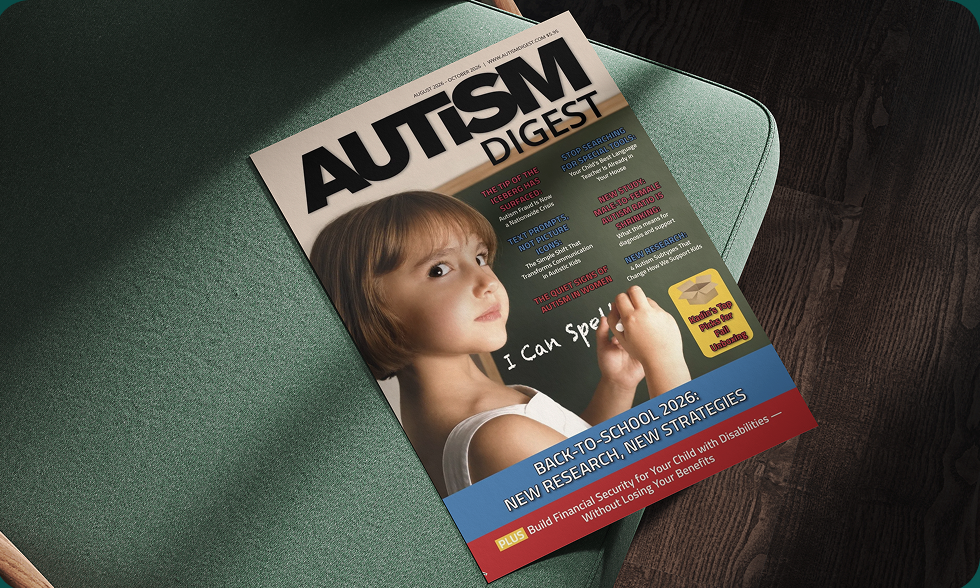
Kite Health in Autism Digest
An outside look at why we're building Kite and what the testing actually shows.
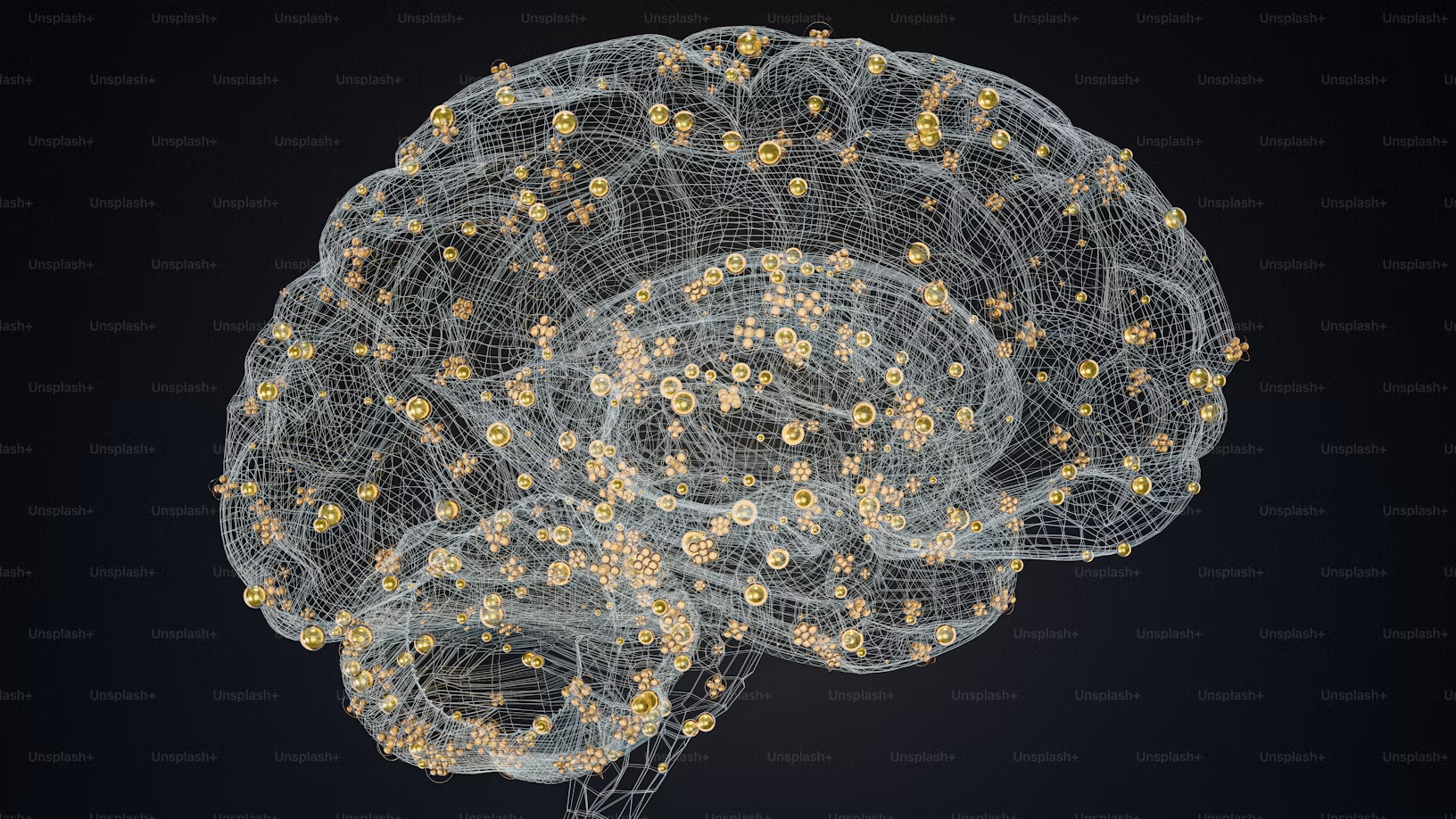
Autism is a Systems Disorder
It's a spectrum of neurodevelopment shaped by genetics, biology, environment, and development. Understanding these systems can help better understand each child's strengths and challenges.
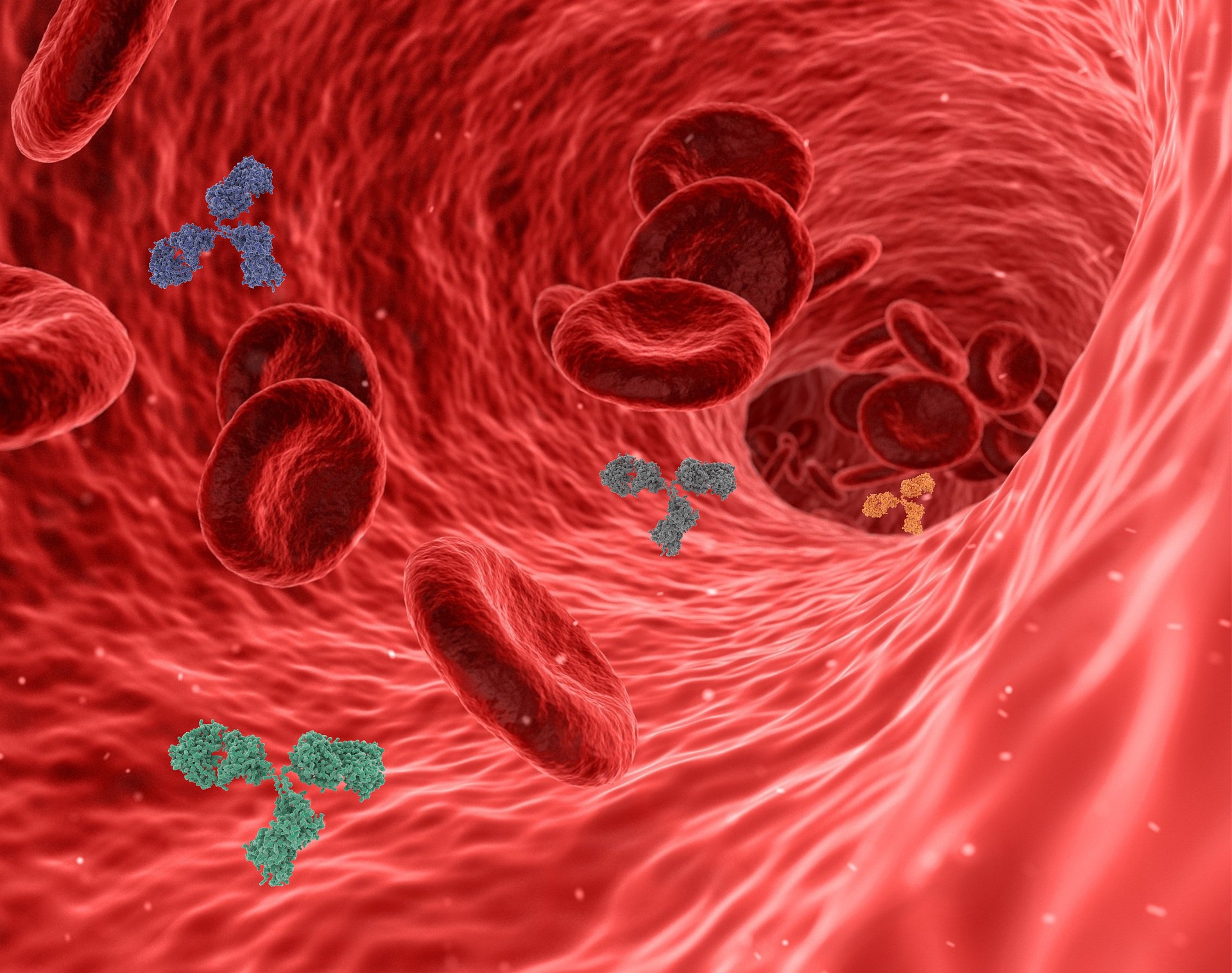
Brain Inflammation in Children
Learn how inflammation affects the developing brain, why it matters in autism and ADHD, and what biomarkers and lifestyle factors may support healthy brain development.
Exciting things are coming.
Sign up to get early access!
We’re building something great – and you’ll be the first to try it.