
Brain Inflammation in Children
Learn how inflammation affects the developing brain, why it matters in autism and ADHD, and what biomarkers and lifestyle factors may support healthy brain development.
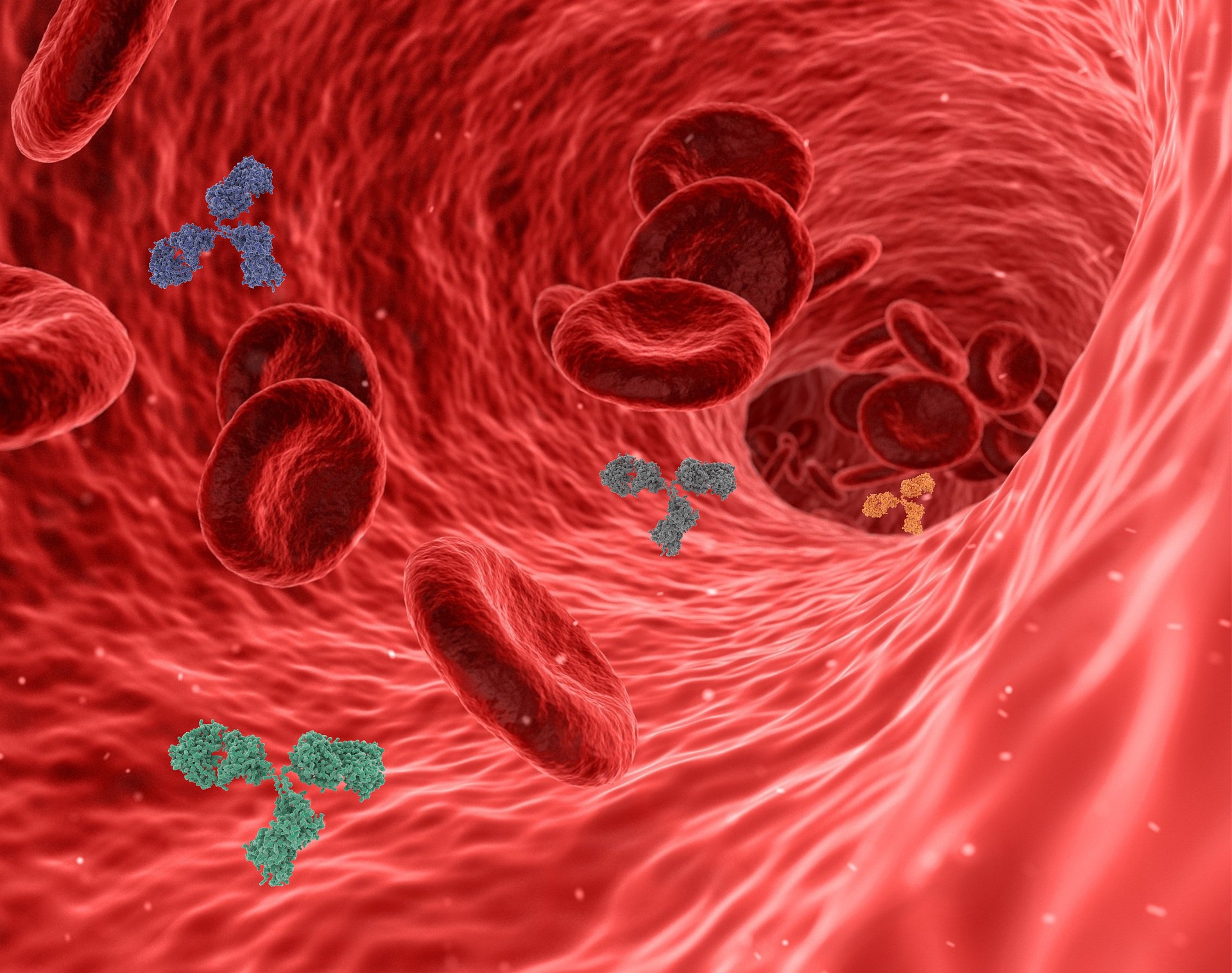
The Brain and Immune System Are Deeply Connected
When parents hear the word inflammation, they often think about a swollen ankle or a sore throat. But inflammation is much more than that.
The immune system and the brain constantly communicate. During development, small amounts of inflammation help build healthy brain connections. However, when inflammation becomes chronic or excessive, it can influence brain development, behavior, sleep, mood, and cognition. Scientists now recognize that the gut, immune system, metabolism, and nervous system work together as one integrated network.
Brain health is whole-body health.
What Is Inflammation?
Inflammation is the body's natural defense system. It helps:
- fight infections
- repair injuries
- remove damaged cells
- maintain healthy tissues
Short-term inflammation is protective. Problems arise when inflammation becomes persistent or low-grade. Researchers increasingly describe chronic inflammation as a type of "background noise" that may affect multiple systems, including:
- the gut
- immune system
- metabolism
- mitochondria
- brain
Inflammation itself is not necessarily harmful. The issue is balance.
How Is Inflammation Connected to the Brain?
The brain was once thought to be isolated from the immune system. Today we know that the brain and immune system constantly communicate.
Cytokines
Immune cells produce signaling molecules called cytokines. These molecules can influence:
- mood
- sleep
- stress responses
- learning
- behavior
Gut-Brain Axis
According to Agirman et al. (2021), microbes in the gut influence inflammation through metabolites and immune pathways. Changes in gut bacteria may affect:
- microglia activation
- neurotransmitters
- stress hormones
- brain signaling
Blood-Brain Barrier
Galea (2021) describes the blood-brain barrier as a gatekeeper. Inflammation can alter this barrier, potentially allowing more immune signals to affect the brain.
Mitochondria
Gyllenhammer et al. (2022) found that inflammatory processes can influence mitochondria—the energy factories inside cells. Because the brain consumes enormous amounts of energy, mitochondrial stress may affect neurodevelopment.
Why Does Inflammation Affect Brain Development?
During pregnancy and childhood, the brain is undergoing tremendous growth. Inflammatory signals influence:
Synapse Formation
Brain cells form connections with one another. Excess inflammation may alter this process.
Microglia Activity
Microglia are the brain's immune cells. Their job is to prune unnecessary connections and maintain healthy networks. Too much activation may disrupt normal development.
Myelination
Inflammation can affect myelin, which helps neurons communicate efficiently.
Energy Production
Inflammation increases oxidative stress and energy demand.
This may affect:
- attention
- learning
- emotional regulation
According to Ayoub (2024), early life stress, nutrition, and inflammatory exposures may interact with critical developmental windows.
What Happens in Neurodiverse Children?
Research suggests that some children with autism and ADHD may show differences involving:
- Immune activation
- Oxidative stress
- Microbiome composition
- Mitochondrial metabolism
- Cytokine signaling
These findings are associations—not causes. No single inflammatory biomarker defines autism or ADHD. Instead, neurodevelopment likely reflects interactions between:
- genetics
- environment
- nutrition
- stress
- sleep
- infections
- microbiome
Children with neurodevelopmental conditions may experience heightened sensitivity to these systems.
Symptoms or Patterns
Parents often notice patterns rather than isolated symptoms.
Neurological Patterns
- brain fog
- attention difficulties
- sensory sensitivity
- headaches
Emotional Patterns
- anxiety
- irritability
- mood swings
- emotional overwhelm
Sleep Patterns
- difficulty falling asleep
- restless sleep
- fatigue
Gastrointestinal Patterns
- constipation
- bloating
- abdominal pain
Behavioral Patterns
- hyperactivity
- rigidity
- meltdowns
- fluctuating functioning
These symptoms are nonspecific and do not prove inflammation. However, they may reflect interactions among the gut, immune system, and brain.
How Is Inflammation Measured?
There is no single "brain inflammation test."
Clinicians may evaluate:
Blood Markers
- CRP (C-reactive protein)
- ESR
- CBC
- ferritin
Cytokines
Mostly used in research. Examples:
- IL-6
- TNF-α
- IL-1β
Stool Markers
- calprotectin
- microbiome composition
Metabolomics
Can provide information about:
- oxidative stress
- mitochondrial pathways
- microbial metabolites
Clinical Patterns
Symptoms often provide more information than a single laboratory value.
What Parents Can Do to Support Healthy Brain Function
Parents cannot eliminate inflammation completely—and they shouldn't. Inflammation is a normal biological process. Instead, focus on supporting the systems that regulate inflammation naturally.
Sleep
Sleep is one of the most powerful anti-inflammatory tools.
Nutrition
Aim for:
- fruits
- vegetables
- fiber
- omega-3 fats
- diverse foods
Physical Activity
Movement supports:
- metabolism
- mitochondrial function
- mood
Stress Reduction
Children's nervous systems respond to:
- relationships
- predictability
- emotional safety
Gut Health
Supporting digestive health indirectly supports the brain.
Avoid Chasing Inflammation
There is currently no evidence that extreme diets, detoxes, or aggressive protocols cure autism or ADHD. The goal is not perfection. The goal is resilience. Small daily habits matter more than quick fixes.
What Parents Should Know
Inflammation is part of life. The brain, immune system, microbiome, and metabolism all work together. Research increasingly suggests that neurodevelopment is a whole-body process, not just a brain process. Most importantly: Inflammation is not something parents caused. Children's brains are remarkably adaptable. Supporting sleep, nutrition, relationships, movement, and emotional safety remains some of the most powerful medicine we have.
References
Agirman, G., Yu, K. B., & Hsiao, E. Y. (2021). Signaling inflammation across the gut-brain axis. Science, 374(6571), 1087–1092. https://doi.org/10.1126/science.abi6087
Ayoub, G. (2024). Neurodevelopment of autism: Critical periods, stress and nutrition. Cells, 13(23), 1968. https://doi.org/10.3390/cells13231968
Galea, I. (2021). The blood-brain barrier in systemic infection and inflammation. Cellular & Molecular Immunology, 18(11), 2489–2501. https://doi.org/10.1038/s41423-021-00757-x
Gyllenhammer, L. E., Rasmussen, J. M., Bertele, N., Halbing, A., Entringer, S., Wadhwa, P. D., & Buss, C. (2022). Maternal inflammation during pregnancy and offspring brain development: The role of mitochondria. Biological Psychiatry: Cognitive Neuroscience and Neuroimaging, 7(5), 498–509. https://doi.org/10.1016/j.bpsc.2021.11.003
Mou, Y., Du, Y., Zhou, L., Yue, J., Hu, X., Liu, Y., Chen, S., Lin, X., Zhang, G., Xiao, H., & Dong, B. (2022). Gut microbiota interact with the brain through systemic chronic inflammation. Frontiers in Immunology, 13, 796288. https://doi.org/10.3389/fimmu.2022.796288
Yuan, Y., Wang, X., Huang, S., Wang, H., & Shen, G. (2023). Low-level inflammation, immunity, and brain-gut axis in IBS. Gut Microbes, 15(2), 2263209. https://doi.org/10.1080/19490976.2023.2263209
Latest posts
Kite Health in Autism Digest
An outside look at why we're building Kite and what the testing actually shows.
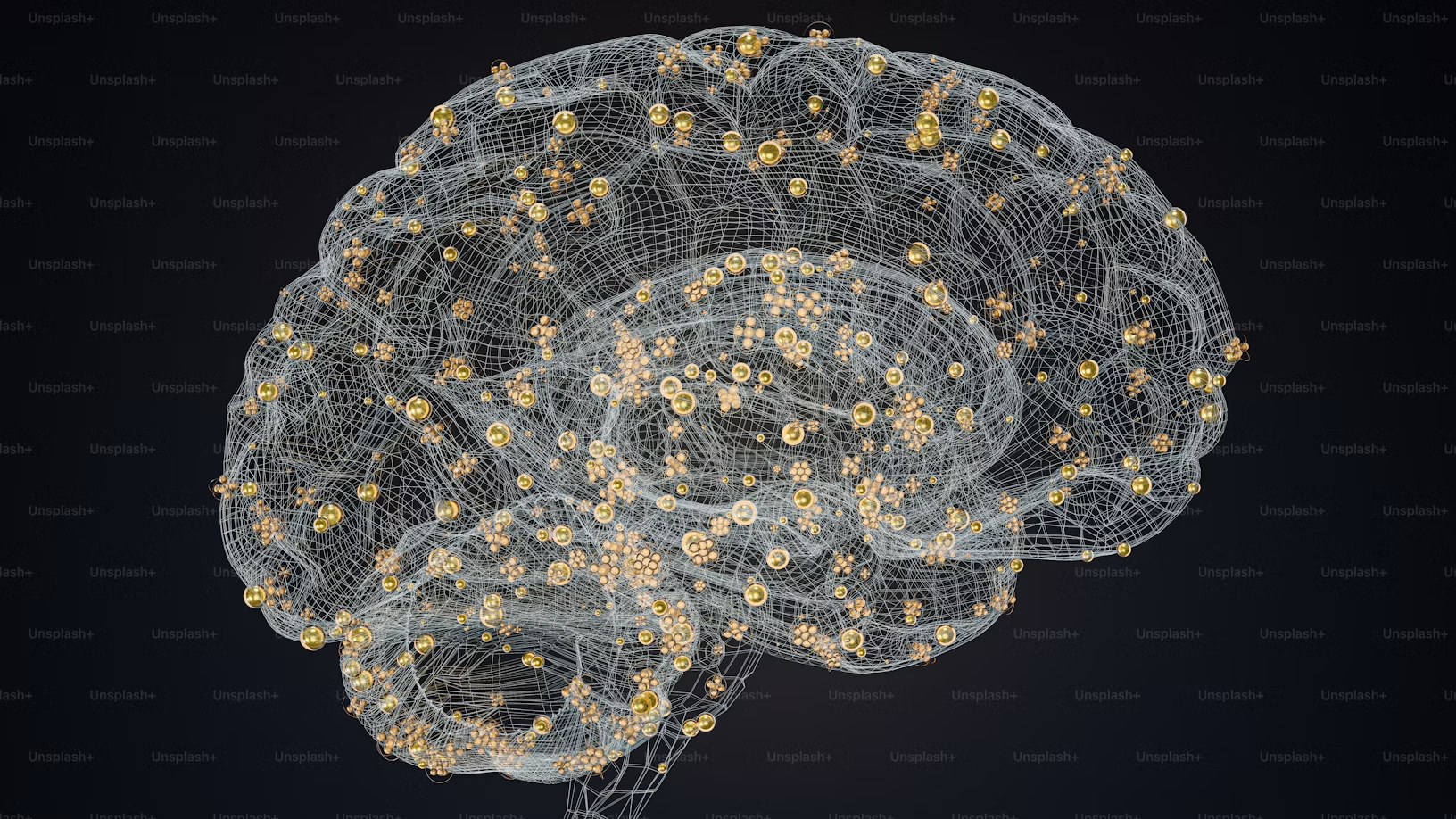
Autism is a Systems Disorder
It's a spectrum of neurodevelopment shaped by genetics, biology, environment, and development. Understanding these systems can help better understand each child's strengths and challenges.
Brain Inflammation in Children
Learn how inflammation affects the developing brain, why it matters in autism and ADHD, and what biomarkers and lifestyle factors may support healthy brain development.
Exciting things are coming.
Sign up to get early access!
We’re building something great – and you’ll be the first to try it.