
How the immune system may shape your child's days
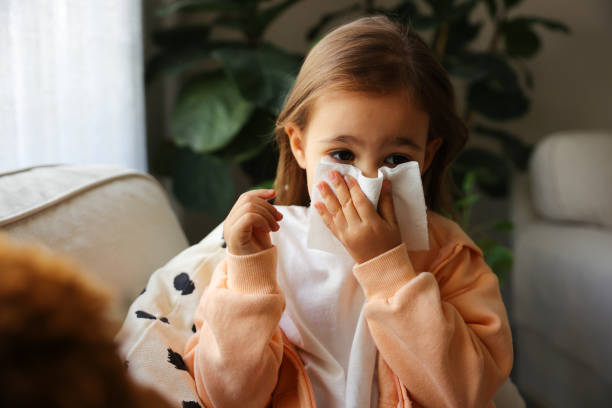
You know the pattern before anyone else does. The week of the ear infection, the meltdowns doubled. The rash came back, and so did the sleepless nights. A new food, and suddenly a hard afternoon. Many of us have been told these things are "just behavior." For a lot of children with autism, it's not just behavior. The body is part of the story.
This guide walks through the systems researchers are studying, starting with the immune system, and ends with a practical checklist you can bring to your child's pediatrician. Nothing here replaces medical care. It's meant to help you ask better questions.
1. Why immune function can look different in autism
The immune system does more than fight germs. It sends chemical signals, called cytokines, that also reach the brain and affect sleep, mood and energy. Think of how a child acts with the flu: tired, irritable, withdrawn. That is the immune system talking to the brain.
A review of 17 studies found that, on average, people with autism had higher levels of several inflammatory cytokines, including IL-1 beta and IL-6, than people without autism (Masi et al., 2015). Research in animals and humans also suggests that inflammation during pregnancy can influence how the developing brain is wired (Estes and McAllister, 2016).
At home
An immune system that runs "warm" may help explain why some children seem to regress or struggle more during illness, allergy season or flares of eczema. These are averages across groups, though. They don't tell you what is happening in your own child.
2. Genetics: the blueprint, not the whole story
Genes matter a lot in autism. A study of more than two million people across five countries estimated that about 80% of the variation in autism risk comes from inherited factors (Bai et al., 2019).
But a blueprint is not a finished house. Genes shape how the immune system, gut and metabolism are built, and those systems keep responding to sleep, food, illness and stress every day. That is why two children with similar genetics can have very different days, and why paying attention to the body can still make a difference.
3. The gut microbiome
If you have a child with autism, you may already know the gut is often part of the picture. A review of 15 studies found that children with autism had about four times the odds of gut symptoms, including constipation, diarrhea and belly pain (McElhanon et al., 2014).
A large share of the immune system lives along the gut, so gut and immune health are closely tied. A large 2021 study adds an important nuance. It found that many gut microbiome differences in autism tracked with restricted eating patterns (Yap et al., 2021). In other words, the gut and food preferences shape each other. A child who eats only five foods may have a very different gut, and that gut may affect comfort, sleep and behavior.
4. Metabolism and mitochondria
Mitochondria are the small power plants inside our cells. When they struggle, children may tire easily, crash after activity or lose skills during illness. A review estimated that about 5% of children with autism meet criteria for mitochondrial disease, far higher than in the general population, and that signs of milder mitochondrial stress are more common still (Rossignol and Frye, 2012).
At home
A child who does well in the morning and falls apart by afternoon, or who seems to slide backward after every fever.
5. Nutrition and building blocks
The immune system and brain need raw materials: protein, iron, zinc, vitamin D and more. Children with autism are about five times more likely to have feeding problems, and studies show lower average intake of calcium and protein (Sharp et al., 2013). A review also found lower average vitamin D levels in children with autism (Wang et al., 2016).
Picky eating is not a parenting failure. It can be sensory, it can be about gut discomfort, and it can quietly leave gaps that are worth checking.
6. Hormones and the stress response
Cortisol is the body's main stress hormone. It normally rises in the morning and falls by evening. Research suggests that in some children with autism this daily rhythm is less predictable, and cortisol may spike more strongly with new or unexpected situations (Taylor and Corbett, 2014).
That can look like big reactions to small changes, or trouble winding down at bedtime. Cortisol also talks to the immune system, so a stressed body and an inflamed body often travel together.
7. The autonomic nervous system
The autonomic nervous system runs the "fight or flight" and "rest and digest" modes. One simple measure of how well a child can shift into calm is heart rate variability. A review found that, on average, people with autism had lower heart rate variability, especially during social stress (Cheng et al., 2020).
At home
In daily life, this may show up as a child who stays on high alert long after a stressful moment has passed. It also affects digestion, which is one more reason gut issues and anxiety often appear together.
8. Environmental influences
Environment includes air, home, food, infections and stress. Some exposures are linked to autism risk, especially during pregnancy. For example, mothers exposed to higher levels of traffic-related air pollution had higher odds of having a child with autism (Volk et al., 2013).
For children already here, the goal is not fear. It's reducing the load where you reasonably can: cleaner air, a dry home, fewer harsh chemicals, and fewer infections when possible.
9. How these systems interact
None of these systems works alone. An infection can raise inflammation. Inflammation can disturb sleep and the gut. Poor sleep raises cortisol. A sore belly narrows what a child is willing to eat, which affects nutrients, which affects energy. Each system can push on the others.
A smaller group of children have something even more specific: a sudden, dramatic change in behavior after an infection. Doctors call this PANS, or PANDAS when it follows strep. Signs include abrupt onset of obsessive thoughts or compulsions, or severe food restriction, along with symptoms like anxiety, irritability, sleep problems or school regression (Chang et al., 2015). If your child changed almost overnight, tell your pediatrician that specifically.
This is why we encourage looking at the whole child. No single test explains everything. Patterns across systems often tell you more.
10. What families can do
You don't have to do all of this at once. Pick one part, start there, and bring what you learn to your child's doctor.
Part 1
Look at your home
- Check for water damage and dampness. Look under sinks, inside bathroom cabinets, along ceilings and around windows. Fix leaks and dry damp areas.
- Support clean air where your child sleeps. Regular cleaning and a good-quality HEPA air purifier in the bedroom are simple, low-risk steps.
- Reduce avoidable chemicals. Ventilate when cleaning, choose fragrance-free products where you can, wash produce, and avoid smoking or vaping near your child.
Part 2
Keep a symptom log for 2 to 4 weeks
Write down what you notice, with dates. Patterns are often clearer on paper than in memory.
- Skin and allergy: rashes, flushing, itching, eczema, congestion, wheezing
- Gut: reflux, belly pain, constipation, diarrhea, foods that seem to trigger changes
- Sleep: trouble falling asleep, night waking, night terrors, needing a parent nearby
- Sudden changes: new obsessions or compulsions, tics, rage, eating far less, losing skills, especially if they appeared quickly
- Illness links: strep throat, ear or sinus infections, viral illnesses, and how behavior changed around them
- Family history: autoimmune conditions, thyroid disease, allergies or asthma, OCD or tics in close relatives
Part 3
Questions about testing to ask your pediatrician
Your doctor will decide what fits your child. These are reasonable questions to raise.
- Basic labs: Would a blood count, metabolic panel, vitamin D, iron with ferritin, zinc or a thyroid check be useful for my child?
- Inflammation: Given the symptom log, would markers like CRP or ESR help?
- Infection: If changes came on suddenly, should we test for strep or other recent infections?
- Gut: Would a gut or nutrition evaluation make sense, given my child's symptoms and diet?
- Metabolism: Some families explore urine tests of metabolism, such as an organic acids test, to learn more about energy, nutrition and gut-microbe byproducts. These tests are not used to diagnose autism, and research on how to use them is still growing. If you try one, review the results with a clinician.
A word of caution
Some tests are widely marketed to families but are not well supported by research. Ask any provider what a test can and cannot tell you before you pay for it.
You are the expert on your child. Science can add another layer of understanding. Together, they can help you and your child's care team make each next step a more informed one.
11. References
- Bai D, et al. Association of genetic and environmental factors with autism in a 5-country cohort. JAMA Psychiatry. 2019;76(10):1035-1043. doi:10.1001/jamapsychiatry.2019.1411
- Chang K, et al. Clinical evaluation of youth with pediatric acute-onset neuropsychiatric syndrome (PANS): recommendations from the 2013 PANS Consensus Conference. J Child Adolesc Psychopharmacol. 2015;25(1):3-13. doi:10.1089/cap.2014.0084
- Cheng YC, et al. Heart rate variability in individuals with autism spectrum disorders: a meta-analysis. Neurosci Biobehav Rev. 2020;118:463-471. doi:10.1016/j.neubiorev.2020.08.007
- Estes ML, McAllister AK. Maternal immune activation: implications for neuropsychiatric disorders. Science. 2016;353(6301):772-777. doi:10.1126/science.aag3194
- Hesselmark E, Bejerot S. Biomarkers for diagnosis of Pediatric Acute Neuropsychiatric Syndrome (PANS): sensitivity and specificity of the Cunningham Panel. J Neuroimmunol. 2017;312:31-37. doi:10.1016/j.jneuroim.2017.09.002
- Masi A, et al. Cytokine aberrations in autism spectrum disorder: a systematic review and meta-analysis. Mol Psychiatry. 2015;20(4):440-446. doi:10.1038/mp.2014.59
- McElhanon BO, et al. Gastrointestinal symptoms in autism spectrum disorder: a meta-analysis. Pediatrics. 2014;133(5):872-883. doi:10.1542/peds.2013-3995
- Rossignol DA, Frye RE. Mitochondrial dysfunction in autism spectrum disorders: a systematic review and meta-analysis. Mol Psychiatry. 2012;17(3):290-314. doi:10.1038/mp.2010.136
- Sharp WG, et al. Feeding problems and nutrient intake in children with autism spectrum disorders: a meta-analysis and comprehensive review of the literature. J Autism Dev Disord. 2013;43(9):2159-2173. doi:10.1007/s10803-013-1771-5
- Stapel SO, et al. Testing for IgG4 against foods is not recommended as a diagnostic tool: EAACI Task Force Report. Allergy. 2008;63(7):793-796. doi:10.1111/j.1398-9995.2008.01705.x
- Taylor JL, Corbett BA. A review of rhythm and responsiveness of cortisol in individuals with autism spectrum disorders. Psychoneuroendocrinology. 2014;49:207-228. doi:10.1016/j.psyneuen.2014.07.015
- Volk HE, et al. Traffic-related air pollution, particulate matter, and autism. JAMA Psychiatry. 2013;70(1):71-77. doi:10.1001/jamapsychiatry.2013.266
- Wang T, et al. Serum concentration of 25-hydroxyvitamin D in autism spectrum disorder: a systematic review and meta-analysis. Eur Child Adolesc Psychiatry. 2016;25(4):341-350. doi:10.1007/s00787-015-0786-1
- Yap CX, et al. Autism-related dietary preferences mediate autism-gut microbiome associations. Cell. 2021;184(24):5916-5931. doi:10.1016/j.cell.2021.10.015
This article is for educational purposes only and does not replace advice from your child's healthcare provider.
Latest posts
How the immune system may shape your child's days
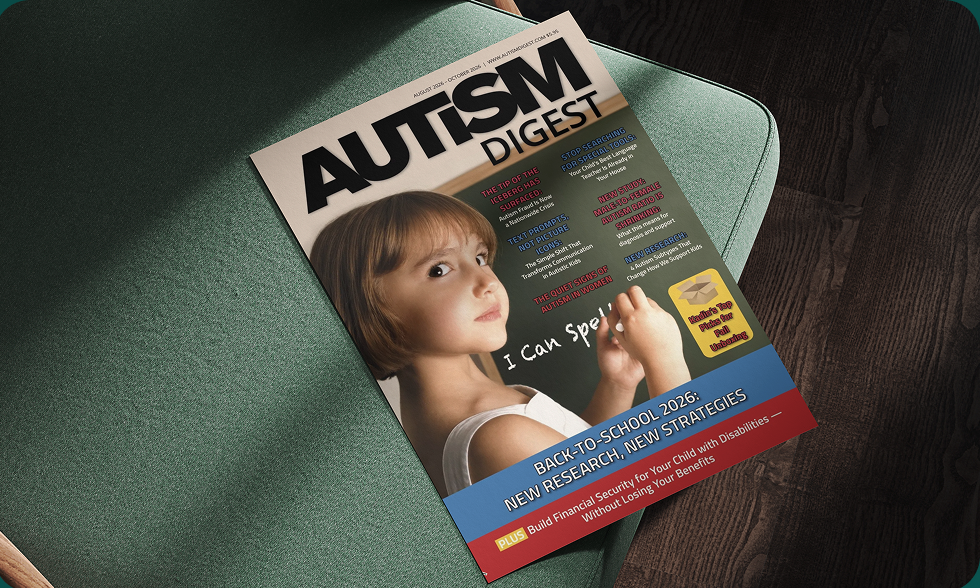
Kite Health in Autism Digest
An outside look at why we're building Kite and what the testing actually shows.
Autism is a Systems Disorder
It's a spectrum of neurodevelopment shaped by genetics, biology, environment, and development. Understanding these systems can help better understand each child's strengths and challenges.
Exciting things are coming.
Sign up to get early access!
We’re building something great – and you’ll be the first to try it.